
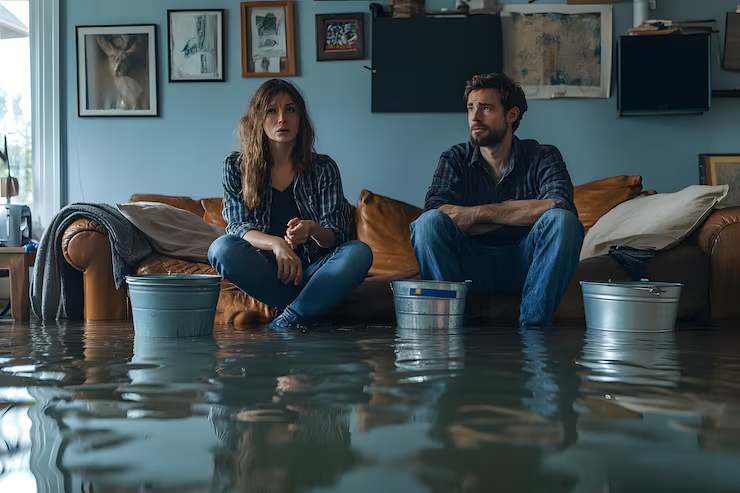
Emergency Water Damage can happen suddenly and leave homeowners dealing with soaked flooring, damaged drywall, leaking ceilings, wet cabinets, and affected personal belongings. A broken pipe, appliance leak, roof problem, or plumbing failure can allow water to spread through a property before you have time to react.
For homeowners and businesses in Boca Raton, Delray Beach, Boynton Beach, and throughout South Florida, taking the right steps immediately can help limit additional damage. It is also important to understand how restoration work and insurance claim documentation fit together.

What Causes Emergency Water Damage?
Water emergencies can begin from many sources, including:
- Burst or broken plumbing pipes
- Washing machine or dishwasher leaks
- Water heater failures
- Toilet or drain overflows
- Refrigerator supply line leaks
- Roof leaks after severe weather
- Air conditioning system leaks
- Overflowing sinks, bathtubs, or appliances
- Plumbing fixture failures
Even a relatively small leak can affect areas that are difficult to see. Water may move beneath flooring, inside walls, behind cabinets, or through ceilings. Finding the source and addressing the problem quickly can help reduce the chance of further property damage.
Step 1: Address the Water Source Safely
Your first priority should be safety. If the source is a plumbing problem and it is safe to do so, shut off the appropriate water supply. If water is close to electrical outlets, electrical equipment, or appliances, avoid entering the affected area until it is safe.
Do not put yourself at risk trying to reach a difficult valve or remove damaged materials. Contaminated water can also create additional health and safety concerns. Once the immediate danger has been addressed, focus on preventing the water from spreading to unaffected parts of the property.
Step 2: Contact a Water Damage Restoration Company
After dealing with the immediate source, contact a qualified water damage restoration company as soon as possible. Prompt water extraction and drying can help reduce the amount of time building materials remain exposed to moisture. Restoration crews may use commercial extraction equipment, air movers, dehumidifiers, moisture meters, and other tools to identify and dry affected areas.
In South Florida, warm and humid conditions can make moisture management particularly important. Materials that remain damp for an extended period may develop additional problems, including odors, deterioration, and mold-related concerns.
Step 3: Document the Damage Before Cleanup
Documentation can be important when an insurance claim is involved. If it is safe to do so, take photographs and videos of the affected areas before removing damaged materials or beginning major cleanup. Capture both wide images showing the extent of the damage and closer photographs of individual affected items.
You may also want to keep records of:
- The date and approximate time the damage occurred
- The suspected cause of the water loss
- Emergency service invoices
- Repair estimates
- Damaged furniture and personal property
- Communications with contractors
- Photographs and videos
- Receipts for temporary expenses related to the loss
Do not throw away damaged belongings before documenting them unless they create an immediate safety or sanitation concern.
Step 4: Know What to Look for When Choosing Help
During a water emergency, it can be tempting to hire the first company that answers the phone. Taking a few minutes to check the company’s reputation and services can help you make a more informed decision.
Consider factors such as:
Local Experience
Look for a company familiar with properties and conditions in South Florida. Local experience may be useful when dealing with common plumbing, roofing, humidity, and weather-related property issues.
Customer Reviews
Check recent customer reviews across reputable platforms. Look for patterns in customer experiences rather than relying on a single review.
Emergency Response
Water damage can continue to spread while you are waiting for assistance. Ask how quickly the company can respond and what emergency services it provides.
Clear Communication
A reliable restoration provider should explain what work is being performed, why it is necessary, and what documentation you will receive.
Written Records
Ask for copies of estimates, invoices, moisture readings, photographs, and other records related to the restoration work. These documents may become useful when organizing an insurance claim.

Step 5: Understand the Water Damage Restoration Process
Water restoration can involve several stages depending on the severity and source of the loss.
Inspection and Moisture Detection
The restoration team evaluates the affected property and looks for visible and hidden moisture. Moisture meters and other detection equipment can help identify areas that may not appear wet on the surface.
Water Removal
Standing water is extracted using pumps, wet vacuums, and other commercial equipment. Removing excess water promptly can help reduce the amount absorbed by building materials.
Structural Drying
Air movers and dehumidification equipment may be used to remove remaining moisture from floors, walls, ceilings, and other materials.
Cleaning and Treatment
Depending on the type of water involved and the affected materials, cleaning and treatment may be necessary. Some materials may require removal if they cannot be safely restored.
Moisture Monitoring
Drying is not simply a matter of running fans for a certain number of hours. Moisture levels may need to be checked during the process to determine whether affected materials have adequately dried.
Documentation
Photographs, moisture readings, equipment records, work descriptions, and invoices can help establish what occurred and what restoration services were performed.
Step 6: Understand the Insurance Claim Process
Water damage and insurance coverage can be complicated because coverage depends on the policy, the cause of loss, exclusions, limitations, and the circumstances surrounding the damage. For example, a sudden plumbing failure may be treated differently from long-term maintenance issues or certain types of water intrusion. Your policy determines what coverage may apply.
If you believe the damage may be covered, notify your insurance company according to the requirements of your policy and keep records of your communications. Avoid assuming that every water-related loss will be covered or that every damaged item will automatically qualify for reimbursement.
How a Public Adjuster Can Help With a Water Damage Claim
A restoration company and a public adjuster serve different purposes. A restoration company focuses primarily on stopping the spread of damage, removing water, drying the property, and completing necessary restoration work.
A public adjuster represents the policyholder in the insurance claim process. Barclays Public Adjusters helps homeowners and businesses organize claim information, document property damage, prepare claim materials, and communicate with the insurance company regarding the loss.
When a water damage claim involves multiple rooms, structural damage, personal property, or extensive documentation, keeping the claim organized can become particularly important.
Common Mistakes to Avoid After Water Damage
Homeowners can unintentionally make a difficult situation more complicated. Consider avoiding these common mistakes:
Waiting Too Long to Address Moisture
Delaying extraction or drying can allow moisture to spread into additional materials.
Starting Major Repairs Without Documentation
Before making permanent repairs, document the condition of the property whenever it is safe and practical to do so.
Discarding Damaged Property Too Quickly
Photograph and record damaged belongings before disposal when possible.
Assuming the Cause Does Not Matter
The source of the water can affect how an insurance claim is evaluated. Keep records about where the water came from and what happened.
Failing to Keep Receipts and Records
Emergency services, temporary accommodations, repairs, and other expenses may require documentation. Keep relevant receipts and invoices organized.
Signing Documents Without Understanding Them
Before signing contracts, assignments, or other documents related to restoration or insurance services, make sure you understand what you are agreeing to.

When Should You Contact a Public Adjuster?
Not every water loss requires assistance from a public adjuster. However, additional claim support may be worth considering when the damage is extensive, the claim involves many categories of loss, or you are having difficulty organizing the documentation.
You may also want to seek help if you have concerns about the scope of damage being considered, the value of the loss, or the overall handling of your claim.
Barclays Public Adjusters works with property owners throughout Boca Raton and surrounding South Florida communities on property damage insurance claims.
Emergency Water Damage Help in South Florida
Water damage requires quick action, careful documentation, and appropriate restoration. Start by protecting yourself and your property, stop the water source when it is safe, and arrange for professional water removal and drying.
At the same time, keep detailed records of what happened and what work is performed. If the loss leads to an insurance claim, organized documentation can make it easier to present the extent of your property damage.
Barclays Public Adjusters helps policyholders with property damage insurance claims in Boca Raton, Delray Beach, Boynton Beach, Fort Lauderdale, and throughout South Florida.
If your property has suffered water damage and you need assistance understanding or organizing your insurance claim, contact Barclays Public Adjusters to discuss your situation.
Frequently Asked Questions
What should I do first after emergency water damage?
Prioritize safety and stop the water source if you can do so safely. Then arrange for water extraction and drying as soon as possible and document the visible damage.
Should I take pictures before cleanup?
Yes, when it is safe and practical. Photos and videos can provide a record of affected rooms, building materials, furniture, and personal belongings before cleanup or repairs.
Can water damage lead to mold?
Prolonged moisture can contribute to mold growth. Prompt extraction, drying, and moisture monitoring can help reduce the conditions that allow mold to develop.
Does homeowners insurance cover water damage?
Coverage depends on the policy and the cause of the loss. Sudden water damage may be covered in some circumstances, while certain long-term leaks, maintenance issues, or excluded causes may not be covered.
What does a public adjuster do for a water damage claim?
A public adjuster represents the policyholder during the insurance claim process. They can help organize damage information, document losses, prepare claim materials, and communicate with the insurer regarding the claim.