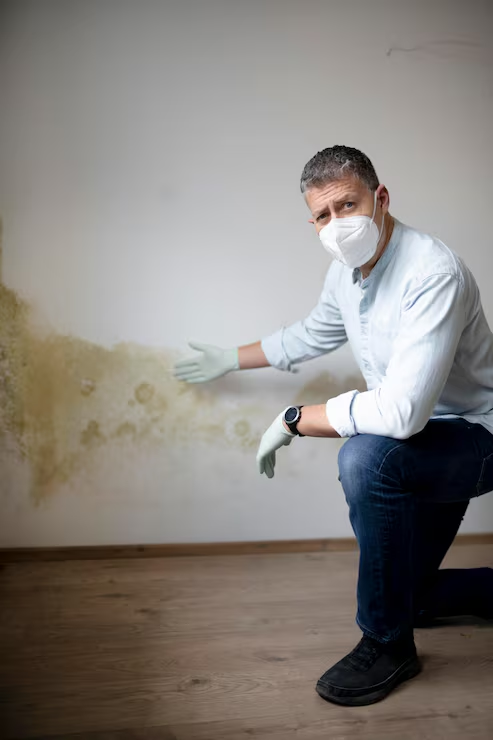
Mold damage can be a serious problem for homeowners and business owners, especially in humid regions like Florida. If not handled quickly, mold can spread fast, damage your property, and even affect your health. That’s why understanding Mold Damage Claims is important.
In this guide, we will explain how mold damage claims work, what your insurance may cover, and how to file a successful claim. This article is written in simple language so anyone can understand the process clearly.
What Are Mold Damage Claims?
Mold Damage Claims are insurance claims filed when mold growth causes damage to your property. Mold usually develops due to moisture problems like leaks, floods, or high humidity.
A mold damage claim is often linked to a water damage and mold claim, because mold typically grows after water damage occurs. For example:
- A roof leak
- A burst pipe
- Flooding
- Poor ventilation
Insurance companies may cover mold damage, but only under certain conditions. Understanding your policy is key.
What Causes Mold Damage in Florida?
Florida’s warm and humid climate makes it a high-risk area for mold growth. Some common causes include:
- Water Leaks: Leaks from roofs, plumbing, or appliances can lead to mold if not fixed quickly.
- Flooding: Heavy rains and hurricanes often result in property damage mold claim situations.
- High Humidity: Even without leaks, high humidity can cause mold in poorly ventilated spaces.
- Poor Maintenance: Neglecting repairs can lead to a denied mold damage claim if the insurance company believes the issue was preventable.
Does Homeowners Insurance Cover Mold Damage?
Many people ask whether homeowners insurance mold damage is covered. The answer depends on the cause of the mold.
Covered Situations
Insurance may cover mold if it results from a sudden and accidental event, such as:
- Burst pipes
- Appliance malfunctions
- Storm-related damage
In these cases, you may be able to file a mold damage insurance claim Florida.
Not Covered Situations
Most policies do NOT cover mold caused by:
- Long-term leaks
- Neglect or poor maintenance
- High humidity without a specific incident
This is why many insurance claims for mold damage get denied.
How Mold Damage Claims Work
Understanding the process of mold damage insurance claims can help you avoid mistakes.
Step 1: Identify the Problem
As soon as you notice mold in your home, take immediate action to prevent it from spreading further, reducing damage, protecting health, and improving chances of a successful insurance claim.
Step 2: Find the Source
Identifying the source of mold is crucial because insurance companies require proof of the cause, such as leaks or flooding, to determine whether the damage is covered under your policy.
Step 3: Document Everything
Take photos and videos of:
- Mold growth
- Water damage
- Affected areas
This helps support your insurance claim mold damage.
Step 4: Contact Your Insurance Company
Contact your insurance company immediately after discovering mold, provide information about the damage, and follow their instructions carefully to ensure your claim is properly filed and processed without unnecessary delays.
Step 5: Inspection
An insurance adjuster will visit your property to assess the extent of mold damage, investigate the cause, and verify your documentation to determine the value of your claim and coverage eligibility.
Step 6: Claim Decision
After reviewing all evidence and inspection reports, the insurance company will decide whether to approve or deny your claim, based on your policy terms, coverage limits, and cause of damage.
Mold Remediation and Insurance Claims
Mold removal is called remediation. A mold remediation insurance claim may cover:
- Mold removal
- Cleaning and sanitizing
- Repairs to damaged areas
However, coverage limits may apply. Some policies cap mold-related payouts.
Residential vs Commercial Mold Damage Insurance Claims Explained
Understanding the differences between residential and commercial mold damage claims helps property owners navigate insurance policies, coverage limits, and claim complexity effectively.
| Aspect | Residential Mold Damage Claims | Commercial Mold Damage Insurance Claims |
| Who Files the Claim | Homeowners or tenants | Business owners or property managers |
| Property Type | Houses, apartments, condos | Offices, warehouses, retail spaces |
| Purpose of Claim | To cover mold damage in living spaces | To cover mold damage in business properties |
| Claim Complexity | Generally simpler | Often more complex due to business policies |
| Extent of Damage | Usually smaller-scale damage | May involve larger, more extensive damage |
| Insurance Policy Structure | Standard homeowners insurance policies | Commercial insurance policies with broader or specialized coverage |
| Process Similarity | – | Both follow a similar claim process (inspection, documentation, filing, settlement) |
Common Reasons for Denied Mold Damage Claims
Unfortunately, many claims are denied. Common reasons include:
- Lack of maintenance
- Delayed reporting
- Insufficient documentation
- Mold caused by humidity instead of a covered event
If you face a denied mold damage claim, you can appeal or seek help from professionals like public adjusters.
Why Work with Barclays Public Adjusters?
Filing a mold damage insurance claim Florida can be confusing. That’s where Barclays Public Adjusters can help.
Our team assists with:
- Claim documentation
- Damage assessment
- Negotiation with insurance companies
- Maximizing your settlement
We work for you, not the insurance company, so your interests come first.
Tips to Strengthen Your Mold Damage Claim
Here are some simple tips to improve your chances of success:
- Act quickly when you notice damage
- Keep all receipts for repairs and cleanup
- Maintain your property regularly
- Take clear photos and videos
- Get professional inspections if needed
These steps can make your insurance claims for mold damage stronger and more reliable.
Final Thoughts
Mold Damage Claims can be complicated, especially in Florida where mold issues are common. Knowing what your policy covers and acting quickly can make a big difference.
Whether you’re dealing with a mold damage claim, a water damage and mold claim, or a property damage mold claim, the key is proper documentation and timely action.
If you need expert help, Barclays Public Adjusters is here to guide you through every step and help you get the compensation you deserve.
FAQs About Mold Damage Claims
Can I file a claim for mold damage?
Yes, you can file a claim for mold damage if it is caused by a covered event, such as sudden water damage. However, claims due to neglect or long-term issues are often denied.
Can you claim mold damage on homeowners insurance?
Yes, homeowners insurance mold damage may be covered, but only if the mold results from a sudden and accidental incident like a burst pipe or storm damage.
How to file a mold damage claim in Florida?
To file a mold damage insurance claim Florida, you should:
- Document the damage
- Identify the source
- Contact your insurance company
- Allow inspection
- Provide all required evidence
Working with experts like Barclays Public Adjusters can make the process easier.
How to file a homeowners insurance claim for mold damage?
Start by reviewing your policy, then report the damage immediately. Provide photos, repair estimates, and any supporting documents. An adjuster will assess your claim before approval or denial.