
Table of Contents
- What a Public Adjuster Does for South Florida Property Owners
- Is Hiring a Public Adjuster Worth It?
- Public Adjuster Fee Structure in Florida
- Property Damage Claim Documentation Tips
- How to Find a Licensed Public Adjuster in South Florida
- When to Hire a Public Adjuster After a Loss
- Frequently Asked Questions
Last Updated: September 27, 2026
What a Public Adjuster Does for South Florida Property Owners
A public adjuster South Florida homeowners can rely on is a licensed professional who represents you, the policyholder, during an insurance claim. They evaluate your policy coverage, document your property damage, and negotiate the settlement directly with your insurance carrier.
At Barclays Public Adjusters, we work for property owners, not insurance companies. That distinction matters more than most people realize.
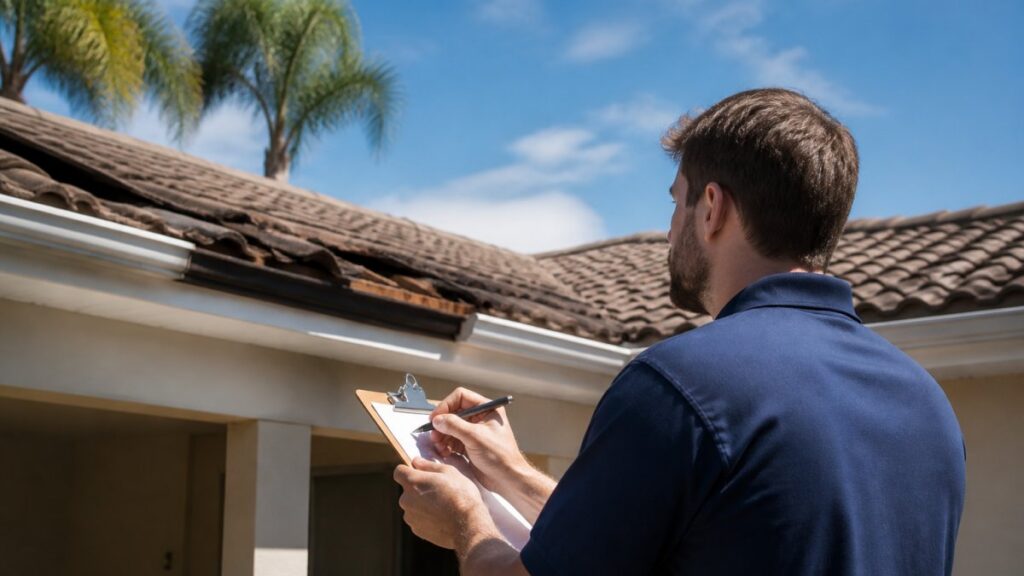
When a hurricane, plumbing leak, or fire damages your home, your insurer sends its own adjuster. That person’s job is to protect the carrier’s bottom line. Your public adjuster’s job is to protect yours. They prepare a claim evaluation, assemble supporting documentation, and push back when an offer comes in low.
The work covers four core areas:
- Policy review: Finding coverage you may not know you have
- Damage assessment: Documenting every loss, including hidden damage
- Claim documentation: Building a file the carrier cannot easily dismiss
- Claim negotiation: Arguing your case through to a fair payout
Is Hiring a Public Adjuster Worth It?
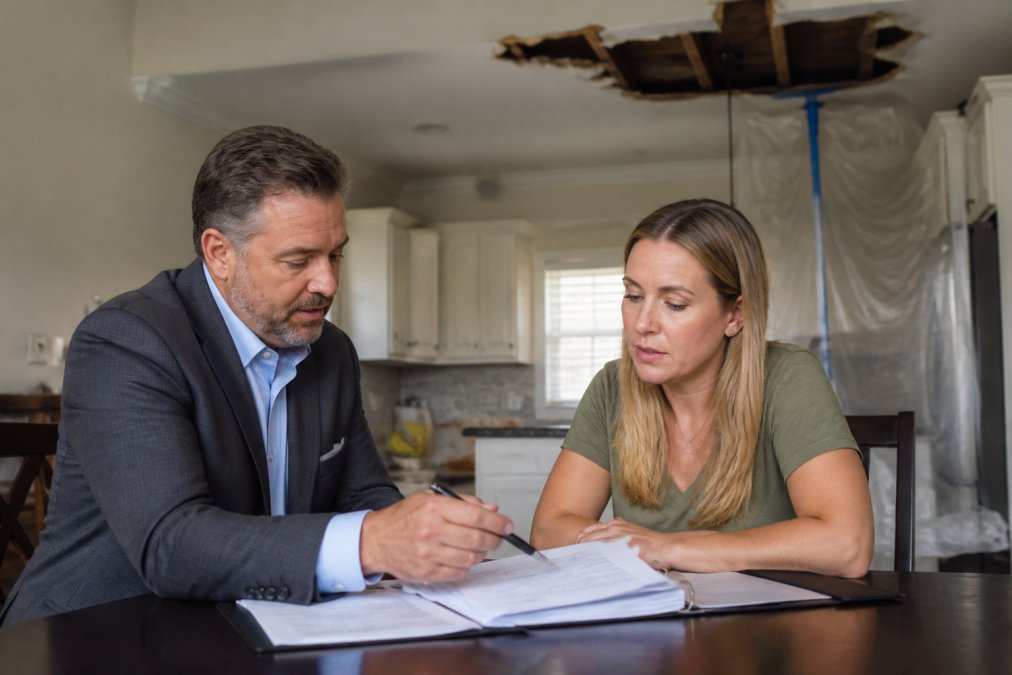
Hiring a public adjuster is worth it when your claim is denied, underpaid, or moving too slowly for you to manage alone. The value comes down to one question: does professional representation recover more than it costs?
For simple claims with clear coverage, you may not need help. But South Florida claims rarely stay simple. Windstorm damage, water damage, and mold remediation often involve disputed scope, delayed inspections, and coverage language carriers interpret narrowly.
The claims where a public adjuster earns their fee are the messy ones: denied claims, lowball offers, and losses involving multiple types of damage.
A common mistake is waiting until after you accept a settlement. Once you sign, reopening a claim becomes far harder. If your insurer has already made an offer you think is too low, get a second opinion before you sign anything.
Public Adjuster Fee Structure in Florida
Public adjusters in Florida work on a contingency fee, a percentage of the final settlement, not an hourly rate. That single fact is the most important cost protection you have, because it means the adjuster only gets paid if you do.
Florida law sets a hard cap on that percentage, and the cap depends on whether a state of emergency has been declared for your loss. Those are ceilings, not defaults. Many firms charge less, and the rate is always negotiable before you sign.
Because the statutory figures can be amended by the Legislature, confirm the current limits at Florida Statutes on public adjuster contracts or ask any adjuster to show you the cap in writing before you sign.
Three things to confirm before hiring anyone:
- The percentage rate, stated in your contract
- Whether the fee applies to the gross settlement or only to the amount above your insurer’s original offer
- Whether the fee is calculated before or after your deductible and any mortgagee payments
That second point is where contracts differ most. Some firms charge their percentage on the full recovery; others charge only on the increase they negotiate above the carrier’s first offer. On a $100,000 claim with a $60,000 initial offer, a 20% fee on gross is $20,000, while a 20% fee on the increase is $8,000. Read the clause carefully and ask the adjuster to walk you through a sample calculation using your own numbers.
A contingency fee aligns incentives, but only if you understand what the percentage is applied to. Get the math in writing before you sign.
How the No Recovery, No Fee Model Works
Under a no recovery, no fee arrangement, you owe nothing if the claim recovers nothing. The adjuster absorbs the cost of the policy review, damage assessment, and documentation. Their payment comes only from a successful settlement.
This model aligns incentives. An adjuster who gets paid only on recovery has a reason to fight for a higher number rather than settle quickly.
Two practical points to verify:
- What counts as a recovery. Confirm whether a reopened or supplemental claim triggers the same fee.
- What happens if you fire the adjuster. Most contracts include a cancellation window; Most contracts include a cancellation window. Ask for the cancellation terms in writing.
Barclays Public Adjusters built its practice on this policy.
Schedule your FREE Claim Consultation today →
Property Damage Claim Documentation Tips
Strong documentation is the difference between a denied claim and a paid one. Carriers pay what they can verify, so your file needs to prove the loss, its cause, and its cost.
Document these items as soon as it is safe:
- Photographs of all damage, wide shots and close-ups
- Video walkthrough of every affected room
- Receipts for emergency repairs and temporary housing
- A written timeline of when damage appeared
- Contractor estimates for the full scope of repairs
- Inventories of damaged personal property
Discarding damaged property before inspection is one of the most common reasons claims get reduced. Once the evidence is gone, the carrier has no reason to pay for it.
Red Flags to Avoid When Choosing an Adjuster
Watch for anyone who demands upfront payment, promises a specific settlement amount before reviewing your policy, or pressures you to sign on the spot. A legitimate adjuster will review your policy first and explain the fee structure in writing.
Other warning signs:
- No license number provided when asked
- Refusal to put terms in a written contract
- Pressure to inflate your claim beyond what the damage supports
- No physical presence or verifiable local address
How to Find a Licensed Public Adjuster in South Florida
Finding a licensed public adjuster in South Florida starts with verifying their license through the state. Florida requires public adjusters to hold a current license, and you can confirm any adjuster’s status through the Florida Department of Financial Services license search.
Once the license checks out, evaluate the firm itself:
| What to Check | Why It Matters |
|---|---|
| License status | Confirms legal authority to represent you |
| Local experience | Familiarity with South Florida carriers and claim patterns |
| Written contract | Locks in fees and scope before work begins |
| Communication | Tells you who answers when you have questions |
| References | Shows how past clients were treated |
What Recent Florida Insurance Law Changed for Policyholders
This is the part most guides skip, and it is the part that can cost you money if you do not know it.
- Shorter deadlines. The window to file a claim, and to supplement a claim after the initial payment, is now tighter than it used to be. Missing it can forfeit coverage even on a valid loss.
- Notice requirements. Many policies now require you to give the carrier a specific written notice of claim before litigation. A public adjuster who knows the current forms and timelines keeps you inside the rules.
- Attorney fee changes. The one-way attorney fee statute that once made it easier for policyholders to challenge a denial has been narrowed. That makes the pre-suit negotiation work a public adjuster does more important, not less, the fight now happens earlier, in the claim file.
- Roof claim rules. Roof damage claims, especially those involving age or partial damage, are now subject to stricter standards. Documentation of cause and date of loss matters more than ever.
A public adjuster who cannot explain how SB 2-A and SB 76 affect your specific claim is not current on the rules that govern it. Ask the question before you sign.
Questions to Ask Before You Hire
Use these to separate a serious local firm from a lead-generation call center:
- What is your license number, and where are you physically located?
- How many claims have you handled in my county in the last 12 months?
- What percentage will you charge, and is it applied to gross or to the increase?
- Who is my point of contact, and how often will I hear from you?
- Can you provide two references from claims like mine?
When to Hire a Public Adjuster After a Loss
Hire a public adjuster when your claim is denied, underpaid, delayed, or complex enough that you cannot manage it alone. The earlier you bring one in, the more they can do.
Specific situations that call for help:
- Your claim was denied for “wear and tear” or “lack of maintenance”
- The settlement offer will not cover your contractor’s estimate
- Your insurer is slow to inspect or respond
- Your loss involves water damage, mold, or a plumbing leak with disputed cause
- You own commercial property with a large or layered claim
Frequently Asked Questions
How do public adjusters get paid in Florida?
Public adjusters in Florida work on a contingency fee, meaning they are paid a percentage of the final settlement they recover for you. Under Florida law, that fee is capped for most residential claims, and many firms, including Barclays Public Adjusters, operate on a No Recovery, No Fee basis. If there is no recovery on your claim, you owe nothing for their representation.
Is hiring a public adjuster worth it for water damage claims?
Water damage claims are frequently underpaid because insurers dispute the cause, the extent of damage, or whether mold is covered. A public adjuster documents the loss, interprets your policy coverage, and negotiates directly with the insurance carrier. For claims that were denied or underpaid, professional representation often recovers more than the policyholder could secure alone, even after the contingency fee.
How can I verify a public adjuster’s license in Florida?
Ask for the adjuster’s license number and confirm it through the Florida Department of Financial Services licensee search. Only licensed public adjusters can legally negotiate a property damage claim on your behalf in Florida. Barclays Public Adjusters is fully licensed, and you can request proof of licensure before signing any agreement.
Can a public adjuster overturn a denied claim for wear and tear?
Yes, in many cases. Insurers often deny claims by attributing damage to wear and tear rather than a covered peril like windstorm or hurricane damage. A public adjuster reviews the policy language, gathers supporting documentation such as inspection reports and contractor estimates, and challenges the denial. Reopening a denied claim is a core part of the process when the evidence supports coverage.