

Property damage can create immediate financial pressure for homeowners and business owners. A leaking roof, burst pipe, hurricane, fire, mold problem, wind event, or other covered loss may affect much more than what is visible at first glance. Along with arranging repairs, property owners must also deal with insurance forms, policy requirements, damage estimates, photographs, receipts, inspections, and communication with the insurance company. Handling all of these responsibilities while trying to restore a damaged property can become difficult. A Public Adjuster Fort Lauderdale can assist policyholders with the claim process by documenting the loss, reviewing available coverage, preparing supporting information, and communicating with the insurance carrier.
For property owners in Fort Lauderdale and throughout South Florida, having organized claim support can make it easier to present the damage clearly and pursue the benefits available under the insurance policy.
Why Property Insurance Claims Can Become Complicated
A property insurance claim is rarely limited to one damaged item. A single incident can affect several areas of a building at the same time.
For example, a roof leak may result in damaged ceilings, insulation, drywall, flooring, cabinetry, electrical components, and personal belongings. Water from a plumbing failure can also create moisture problems that are not immediately visible.
Other losses may involve:
- Roof and exterior damage
- Water and plumbing damage
- Fire and smoke damage
- Hurricane and wind damage
- Mold-related property damage
- Structural concerns
- Damaged contents and belongings
- Business property losses
- Additional expenses caused by a covered loss
Because different portions of a claim may require different forms of documentation, overlooking one category can affect the overall claim presentation.

What Does a Public Adjuster Do?
A public adjuster represents the policyholder during the insurance claim process. Unlike an adjuster working for the insurance carrier, a public adjuster is retained by the property owner.
The role can include inspecting the property, documenting damaged areas, reviewing the insurance policy, estimating repair costs, preparing claim information, communicating with the insurer, and negotiating the claim based on the available documentation.
The goal is not to create damage or request payment for losses that are not covered. Instead, the focus is on helping the policyholder present an accurate account of the covered property loss and supporting that information with appropriate evidence.
How Public Adjusters Help Build a Stronger Claim
1. Inspecting the Property for Damage
The first step is understanding what happened to the property. Damage may be obvious, such as a collapsed ceiling, broken window, burned room, or missing roofing materials. Other problems may be hidden behind walls, ceilings, floors, cabinets, or other building components.
A detailed inspection helps identify areas that may need further investigation.
Depending on the loss, documentation may include:
- Photographs and videos
- Written descriptions
- Measurements
- Damaged material identification
- Property inventories
- Repair information
- Supporting reports
A clear record can help demonstrate the relationship between the reported event and the resulting property damage.
2. Reviewing the Insurance Policy
Insurance policies contain specific provisions that determine how a claim may be handled. Coverage limits, deductibles, exclusions, endorsements, conditions, and other policy language can affect the claim.
A public adjuster can review the available policy information and help the property owner understand how those provisions relate to the reported loss.
This step is particularly useful when a claim involves several types of damage or when the policy contains additional coverage that may apply to the circumstances.
Policy review does not guarantee coverage or a particular settlement. Coverage ultimately depends on the policy language, facts of the loss, and applicable Florida requirements.
3. Preparing a Detailed Damage Estimate
A visible repair bill may not represent the full cost of restoring a damaged property. For example, replacing damaged drywall could also involve removing wet materials, protecting unaffected areas, repairing insulation, addressing flooring, repainting surrounding surfaces, and completing other related work.
A properly prepared estimate considers the work required to return the property to its appropriate pre-loss condition, subject to the applicable insurance coverage. A public adjuster can organize repair information and supporting estimates so the insurer receives a clearer picture of the reported loss.
4. Documenting Damaged Belongings
Property claims can include personal belongings as well as building damage. Furniture, electronics, appliances, clothing, tools, equipment, and other items may be affected by fire, smoke, water, wind, or other covered events.
Creating an inventory can help organize information such as:
- Item description
- Quantity
- Approximate age
- Condition before the loss
- Damage observed
- Replacement or repair information
- Available photographs or receipts
Keeping these details organized can make it easier to explain the contents portion of a claim.
Identifying Damage That May Not Be Immediately Visible
Some property damage develops or becomes easier to identify after the original event. Water can move into concealed spaces. Moisture can remain behind walls or beneath flooring. Smoke can affect areas beyond the location of a fire. Wind can damage roofing components that may not be obvious from the ground.
This is one reason property owners should avoid assuming that visible damage represents the entire loss. A careful inspection can identify areas that deserve additional attention. When necessary, specialized contractors or other qualified professionals may also be involved in determining the condition of particular building components.
How a Public Adjuster Handles Insurance Communication
Insurance claims often require ongoing communication. The carrier may request photographs, estimates, statements, receipts, inventories, inspection access, repair information, or additional documentation. Managing these requests while dealing with property repairs can consume significant time.
A public adjuster can serve as a central point of communication for claim-related matters and help organize information provided to the insurer.
This may include:
- Responding to documentation requests
- Providing updated claim information
- Discussing damage estimates
- Communicating inspection findings
- Addressing questions about the reported loss
- Reviewing insurer estimates
- Participating in settlement discussions
Keeping communication organized can reduce confusion and help maintain a clearer record of the claim.

Reviewing the Insurance Company’s Estimate
The first estimate provided by an insurance company should be reviewed carefully. Property owners may receive an estimate that includes some repairs but does not necessarily reflect every damaged area or the complete scope of restoration.
A public adjuster can compare the insurer’s estimate with the documented condition of the property and identify differences that may need further discussion.
Areas for review may include:
- Missing repairs
- Incorrect quantities
- Incomplete room measurements
- Damaged materials that were not included
- Additional related damage
- Repair methods
- Labor requirements
- Contents losses
- Applicable policy benefits
If differences are identified, supporting documentation can be presented to the insurance company for consideration.
Negotiating a Property Insurance Claim
Insurance claim negotiations are generally based on documentation, policy provisions, estimates, inspections, and other evidence.
A public adjuster can communicate the policyholder’s position and provide information supporting the requested scope of loss.
The process may involve several rounds of questions, inspections, revised estimates, and additional documentation. The objective is to reach a settlement that accurately reflects the covered damage supported by the policy and available evidence.
No legitimate claim representative can guarantee a specific settlement amount because every claim depends on its facts, policy, documentation, and applicable coverage.
Types of Property Claims a Public Adjuster Can Help With
Property owners may seek public adjusting assistance after many different types of losses.
Water and Plumbing Damage

Burst pipes, plumbing failures, appliance leaks, and other water events can affect multiple areas of a property. A claim may involve flooring, drywall, cabinets, ceilings, insulation, contents, and other components.
Roof Leak Claims
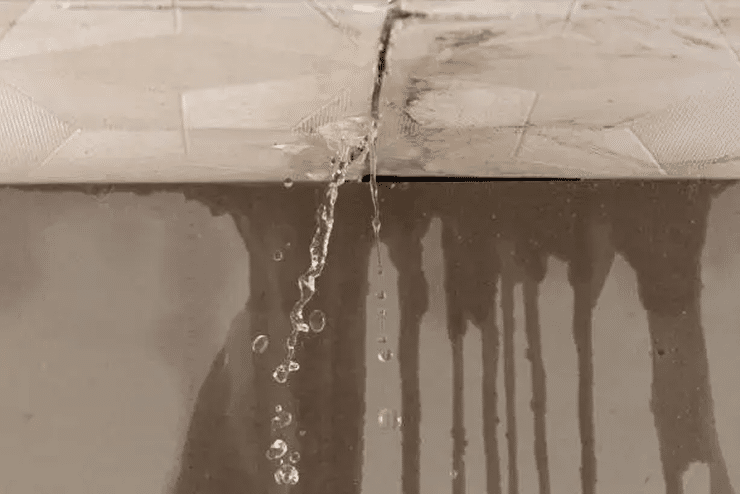
Roof problems can allow water to enter the property and cause interior damage. Proper documentation can help connect the roof condition with resulting interior losses.
Hurricane and Wind Damage

South Florida properties can experience damage from hurricanes, tropical storms, strong winds, and wind-driven rain. Roofs, windows, doors, siding, fences, and interior areas may all require inspection.
Fire and Smoke Damage
A fire can cause direct structural damage as well as smoke and soot contamination. Damaged contents and areas affected by firefighting efforts may also require documentation.
Mold Damage

Moisture following a covered water event can contribute to mold growth. Depending on the circumstances and policy terms, mold-related expenses may form part of a property insurance claim.
Sinkhole and Structural Damage

Structural movement and sinkhole-related concerns can involve specialized inspections and documentation. Property owners should review their specific policy and obtain appropriate professional evaluations when such conditions are suspected.
Why Early Claim Documentation Matters
The condition of a damaged property can change after an incident. Emergency mitigation, drying, cleanup, temporary repairs, weather exposure, and continued moisture can alter what was originally present.
Property owners should take reasonable steps to prevent further damage while preserving evidence whenever it is safe and practical to do so.
Helpful records may include:
- Photos taken soon after the loss
- Videos of affected areas
- Emergency repair invoices
- Contractor estimates
- Receipts for temporary expenses
- Lists of damaged belongings
- Insurance correspondence
- Inspection reports
Keeping these records together can make the claim easier to organize.
When Should You Consider Hiring a Public Adjuster?
Not every insurance claim requires public adjusting assistance. A small, straightforward loss may be manageable for some property owners.
However, professional claim assistance may be worth considering when:
- The damage is extensive
- Multiple rooms or building systems are affected
- The insurer’s estimate appears incomplete
- The claim has been denied or underpaid
- The loss involves significant contents
- You are unsure about the available coverage
- You have difficulty managing claim documentation
- The insurance company requests extensive information
- You do not have the time to manage the claim yourself
The earlier the claim process is organized, the easier it may be to preserve documentation and identify the full scope of the loss.
How Barclays Public Adjusters Helps Property Owners
Barclays Public Adjusters works with homeowners and businesses throughout South Florida on property insurance claims. The firm assists policyholders with claim preparation, damage documentation, policy review, estimating, filing, communication, and settlement discussions.
The claim process includes several important stages:
- Property inspection – Reviewing the condition of the damaged property.
- Policy review – Examining relevant coverage and policy provisions.
- Damage estimation – Organizing the documented scope of repairs.
- Claim preparation – Compiling photographs, estimates, inventories, and supporting records.
- Claim filing – Presenting the claim information to the insurance company.
- Insurance communication – Handling claim-related discussions and documentation.
- Settlement review – Examining the insurer’s findings and proposed settlement.
Barclays Public Adjusters also states that its fee arrangement is based on recovery, meaning clients do not pay if the firm is unsuccessful in obtaining a settlement for the claim. Property owners should discuss the applicable agreement and fee terms before retaining any public adjuster.
Why Organized Claim Preparation Matters
A property insurance claim is supported by more than a single estimate or photograph. The strongest presentation generally brings together the policy, evidence of damage, repair information, inventories, photographs, reports, and communication records.
Organizing this information allows the insurer to better understand what happened, what was damaged, and what work may be required to restore the property.
For homeowners and businesses facing a substantial loss, having someone manage these details can also reduce the administrative burden during an already stressful period.

Get Help With Your Property Insurance Claim
Property damage can leave homeowners and businesses dealing with repairs, expenses, paperwork, and insurance questions at the same time. Having an organized claim strategy can make the process easier to manage.
If your Fort Lauderdale property has suffered water, roof, hurricane, fire, smoke, mold, sinkhole, or other property damage, Barclays Public Adjusters can help review your claim and organize the documentation needed to present your loss to the insurance company.
Call Barclays Public Adjusters at (561) 235-8068 to request a free claim consultation.
Frequently Asked Questions
Can a public adjuster help with an underpaid claim?
A public adjuster can review the documented damage and the insurance company’s estimate to identify differences that may require additional support or discussion. The outcome depends on the policy and evidence available.
Does hiring a public adjuster guarantee a larger settlement?
No. A public adjuster cannot guarantee a particular settlement. Their role is to document the loss, prepare the claim, and represent the policyholder during the insurance process.
What documents should I keep after property damage?
Keep your insurance policy, photographs, videos, repair estimates, invoices, receipts, damaged-item information, contractor records, and communications with the insurance company.
Can a public adjuster help with commercial property claims?
Yes. Public adjusters may assist businesses with building damage, contents, equipment, inventory, and other covered property losses, depending on the insurance policy.
When should I contact a public adjuster?
Consider contacting one early when the loss is significant, complicated, involves multiple types of damage, or becomes difficult to manage with the insurance company.