

Table of Contents
- The Real Cost of a Claim Denial
- 8 Most Common Reasons Insurance Companies Deny Claims
- Common Insurance Bad Faith Tactics to Recognize
- Deadlines for Insurance Claim Appeals You Must Know
- How to Appeal a Denied Insurance Claim: Step-by-Step
- The Benefits of Hiring a Public Adjuster for Denied Claims
- Your Next Steps After a Claim Denial
- Frequently Asked Questions
Last Updated: September 8, 2026
The Real Cost of a Claim Denial
A claim denial is rarely the end of the road, but it often feels like a brick wall. When the letter arrives, it typically cites a policy exclusion, a missed deadline, or a documentation gap that leaves you wondering if you have any recourse at all. Understanding why insurance companies deny claims is the first step toward a successful appeal, since the reasons range from genuine policy limitations to outright administrative errors. At Barclays Public Adjusters, we have guided South Florida property owners through this exact scenario, and the pattern is remarkably consistent: most denials are not the final verdict, but the opening move in a negotiation.
The real cost of a denial extends far beyond the unpaid claim itself. Every week spent disputing the decision is another week of unrepaired roof damage, unmitigated water intrusion, or escalating mold growth. The financial strain compounds, and policyholders often accept a lowball settlement simply because they lack the energy to fight. A denial letter is a legal document, not a personal judgment, and it carries specific deadlines and requirements that, if missed, can permanently forfeit your right to payment.
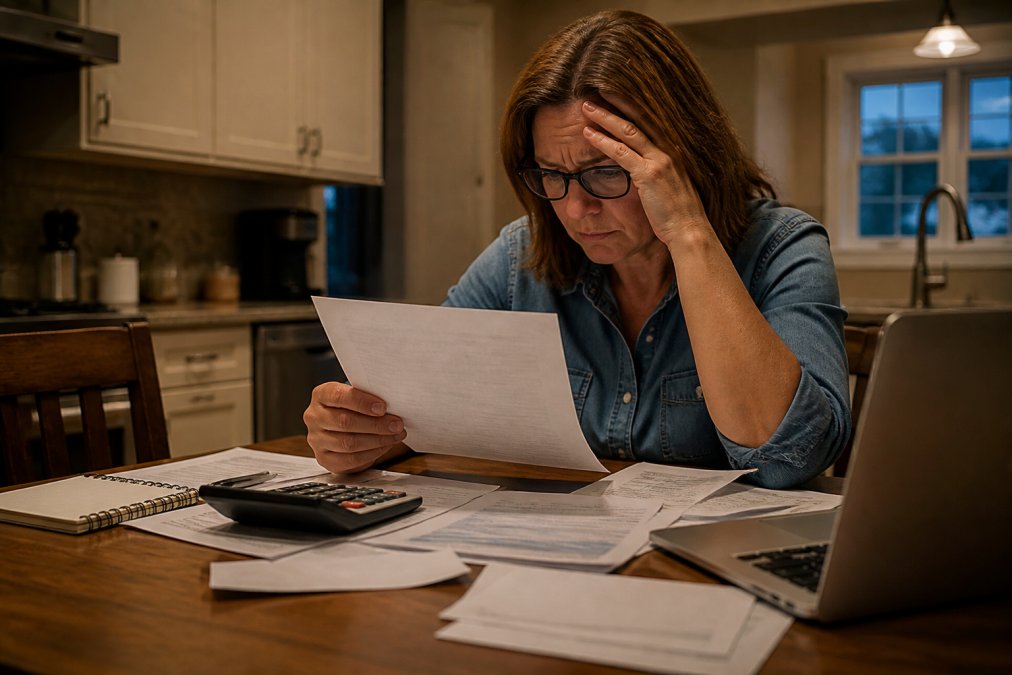
8 Most Common Reasons Insurance Companies Deny Claims
Insurance companies deny claims for eight recurring reasons, and nearly every rejection letter you receive will trace back to one of them. Understanding these categories helps you decode the insurer’s rationale and identify whether the denial is legitimate or a bad faith tactic. The reasons are not mutually exclusive; a single claim can be denied for multiple cited grounds, which is why careful analysis of the denial letter matters.
1. Policy Exclusions and Limitations
Every insurance policy contains explicit exclusions and limitations that define what is not covered. A policy exclusion is a provision that removes specific types of damage from coverage, such as flood, earthquake, or routine wear and tear. Many homeowners discover too late that their standard policy does not cover certain perils they assumed were included, and insurers routinely deny claims by pointing to these clauses.
The key distinction here is between an exclusion that legitimately applies and an insurer’s overly broad interpretation of one. Policy language is dense and often ambiguous, and insurers frequently interpret exclusions in the way most favorable to their bottom line. When a denial cites an exclusion, request the specific policy provision in writing and compare it against the actual damage documented in your claim.
2. Incomplete or Incorrect Documentation
A common reason insurance companies deny claims is that the submitted documentation fails to meet the insurer’s evidentiary standards. This is not about the legitimacy of your damage; it is about the completeness of your proof. Policies typically require detailed inventories, repair estimates, photographs, and proof of loss forms, and missing any of these components can trigger an automatic denial.
The burden of proof rests on the policyholder, which means the quality of your documentation often determines the outcome. Many claims are denied simply because the policyholder did not provide sufficient evidence of the damage’s cause, extent, or value. A professional inspection report that documents the damage with photographs and measurements carries far more weight than a handwritten list of damaged items.
3. Coding and Billing Errors
Coding and billing errors are among the most frustrating reasons for denial because they have nothing to do with the validity of your claim. These errors occur when the claim is assigned an incorrect category code, when the adjuster miscalculates the replacement cost, or when the claim submission contains mismatched information. A coding error is a technical mistake that can often be corrected with a simple resubmission.
These errors are also a favorite tool for insurers who want to delay payment. An incorrect code can shift your claim into a category with lower coverage limits or trigger a manual review that stalls the process for weeks. Scrutinize your Explanation of Benefits and the adjuster’s report for any discrepancies between the documented damage and the codes assigned to it.
4. Disputes Over Medical Necessity
For health and disability claims, medical necessity disputes arise when the insurer argues that a treatment, procedure, or service was not required for your condition. The insurer’s medical reviewers, who have never examined you, override your treating physician’s recommendation and declare the care experimental, unnecessary, or not the most cost-effective option.
This reason for denial is heavily subjective, and insurers apply their own clinical criteria rather than your doctor’s judgment. When medical necessity is disputed, the appeals process typically requires a letter from your physician explaining why the treatment was medically required, along with supporting clinical evidence and peer-reviewed literature.
5. Late Reporting or Filing Deadlines
Insurance policies impose strict deadlines for reporting a loss and filing a claim, and missing these windows is a frequent ground for denial. Most homeowner policies require you to report damage promptly after it occurs, and the proof of loss form must be submitted within a specified period, often 60 days (fldfs.com). A late filing gives the insurer a procedural basis to deny the claim without ever addressing its merits.
The statute of limitations for filing a lawsuit against your insurer also applies, and it varies by state. If your claim has been denied and you are considering legal action, the clock is running from the date of the denial, not from the date of the damage. Delaying your response can permanently bar your right to recover.
6. Insurer Interpretation of Policy Language
Insurance policies are contracts of adhesion, meaning the insurer drafts the language and the policyholder has little say in its terms. When a dispute arises, the insurer controls the initial interpretation of ambiguous provisions, and that interpretation frequently favors denying coverage. Courts have established that ambiguous policy language should be construed against the insurer, but that principle only helps you if you push the dispute into litigation or a formal appeal.
A denial based on the insurer’s interpretation of policy language is often the most contestable. If the policy does not explicitly exclude your type of damage, the insurer’s refusal to pay may constitute bad faith. An attorney or a public adjuster can analyze the policy language and determine whether the insurer’s interpretation holds up under legal scrutiny.
7. Pre-existing Conditions
In health insurance, a pre-existing condition is a health problem that existed before your coverage started, and insurers historically denied claims related to these conditions. Federal law now prohibits most insurers from denying coverage or charging more due to pre-existing conditions, but the issue still arises in disability, long-term care, and certain supplemental policies. Insurers may also allege that property damage, such as a slow leak or progressive deterioration, existed before your policy period began.
The insurer’s allegation of a pre-existing condition shifts the burden to you to prove the damage occurred during the coverage period. This often requires documentation of the property’s condition prior to the loss, such as inspection reports, maintenance records, or photographs. Without this evidence, the insurer’s assertion can stand.
8. Administrative Errors and Technicalities
Administrative errors and technicalities are the catch-all category for denials that stem from paperwork mistakes, missed signatures, incorrect policy numbers, or failures to respond to insurer requests within specified timeframes. These denials are particularly infuriating because they are entirely avoidable and have no bearing on whether your loss is covered.
Schedule your FREE Claim Consultation today →
The insurer may also deny a claim on a technicality to test whether you will challenge the decision. Many policyholders accept a denial based on a minor procedural issue rather than pursuing an appeal, which is precisely what the insurer expects. If your denial cites a technicality, verify the factual basis of the claim; insurers frequently make errors in their own administrative processes.
Common Insurance Bad Faith Tactics to Recognize
Bad faith occurs when an insurance company fails to honor its contractual obligations to its policyholder, and it takes several recognizable forms. Common insurance bad faith tactics include unreasonable delays in investigating or paying a claim, inadequate settlement offers that do not reflect the actual value of the loss, and misrepresenting policy provisions to avoid coverage. Insurers may also conduct a cursory investigation, ignoring evidence that supports your claim while seizing on any reason to deny it.
Recognizing these tactics matters because bad faith conduct can give rise to additional damages beyond the policy limits. When an insurer acts in bad faith, policyholders may recover damages for emotional distress, attorney fees, and even punitive damages in some states. Document every interaction with your insurer, including the dates of calls, the names of representatives, and the substance of each conversation, because this record becomes critical evidence in a bad faith claim.
Deadlines for Insurance Claim Appeals You Must Know
The deadlines for insurance claim appeals are strict, and missing them can forfeit your right to challenge a denial. Most homeowner policies require you to file a written appeal within a specific period after receiving the denial, often 30 to 60 days. Health insurance appeals follow a similar structure, with an internal appeal deadline followed by a window to request an external review.
State insurance regulations govern many of these deadlines, and the specific timeframe depends on your policy and your state’s laws. The National Association of Insurance Commissioners provides consumer resources on appeals and complaint filing to help you understand your rights. If you are considering legal action, the statute of limitations for breach of contract against your insurer is typically shorter than you think, so treat the denial date as the start of a countdown, not a starting point for deliberation.
How to Appeal a Denied Insurance Claim: Step-by-Step
Appealing a denied insurance claim requires a systematic approach that addresses the specific grounds cited in the denial letter. The appeals process is your formal opportunity to present new evidence, correct errors, and challenge the insurer’s interpretation of your policy. Follow these steps in order, and do not skip any of them.
Step 1: Review Your Denial Letter and Policy
Your denial letter is the roadmap for your appeal, and it will cite the specific policy provisions or reasons for the denial. Read it carefully and locate the corresponding language in your policy to understand the insurer’s argument. Identify whether the denial is based on a factual dispute, a policy interpretation, or a procedural technicality, because your appeal strategy differs for each.
Step 2: Gather Supporting Evidence and Documentation
The strength of your appeal depends entirely on the quality of your supporting evidence. Collect repair estimates from licensed contractors, photographs of the damage, maintenance records, and any correspondence with your insurer. If the denial cites inadequate documentation, your appeal must fill those gaps with professional inspection reports and detailed inventories.
Step 3: Submit a Formal Appeal Letter
Your appeal letter must directly address each reason for the denial and explain why the insurer’s decision was incorrect, supported by the evidence you have gathered. Reference the specific policy provisions that support coverage and attach all supporting documentation. Send the appeal via certified mail so you have proof of receipt and retain copies of everything you submit.
Step 4: Consider an Independent External Review
If your internal appeal is denied, many states offer an independent external review process, particularly for health insurance claims. An external reviewer, who is not affiliated with your insurer, evaluates your claim and issues a binding decision. The official consumer guide from the U.S. Department of Health and Human Services on appealing health plan decisions explains how external review works and when you qualify.
The Benefits of Hiring a Public Adjuster for Denied Claims
Hiring a public adjuster for denied claims shifts the burden of the appeals process from your shoulders to a licensed professional who works exclusively for you. A public adjuster evaluates your policy, documents your damage comprehensively, and negotiates directly with the insurance company’s adjusters. Unlike the insurer’s adjuster, who represents the company’s interests, a public adjuster is legally obligated to represent you.
For South Florida property owners, the complexity of hurricane, windstorm, and water damage claims makes professional representation particularly valuable. At Barclays Public Adjusters, we handle the documentation, the negotiation, and the appeals process so you can focus on repairing your property and rebuilding your life. Our ‘No Recovery, No Fee’ policy means you pay nothing unless we secure a settlement on your behalf.
Your Next Steps After a Claim Denial
A claim denial is not the end of your options, but it is a deadline-driven event that requires immediate action. Review the denial letter, identify the specific reasons cited, and gather the evidence needed to challenge the decision. If the denial involves complex policy interpretation or significant financial loss, professional representation can substantially improve your chances of a favorable outcome.
The most successful appeals combine thorough documentation, a clear understanding of policy language, and persistent negotiation. Insurance companies deny claims because they know many policyholders will not fight back, which is exactly why insurance companies deny claims in the first place. Those who do, particularly with professional representation, often see denials overturned and settlements increased. Schedule your FREE Claim Consultation today and let the Barclays Public Adjusters team evaluate your denial and build an appeal strategy.
Frequently Asked Questions
Is it normal for insurance to deny a claim?
Yes, insurance claim denials are more common than many policyholders expect. Insurers deny claims for a variety of reasons, from simple administrative errors and incomplete documentation to disputes over policy exclusions and medical necessity. Understanding the specific reason for your claim denial is the first step in determining your rights and options for appeal.
What should I do if my insurance company denies my claim?
First, carefully read the denial letter to understand the stated reason. Then, review your insurance policy to check the relevant coverage language and exclusions. You have the right to appeal the decision, but strict deadlines for insurance claim appeals apply. Consider hiring a public adjuster to help you navigate the appeals process and build a stronger case.
How does a public adjuster help with denied claims?
A public adjuster acts as your advocate to help appeal a denied insurance claim. They will review your policy, evaluate the damage, and prepare comprehensive documentation to support your case. Public adjusters handle direct negotiations with your insurance company and understand common insurance bad faith tactics. Their goal is to secure the maximum settlement you are entitled to under your policy.
What documentation is required to challenge a claim denial?
You will need a copy of your denial letter, your full insurance policy, and any evidence that supports your claim. This includes photos or videos of the damage, repair estimates, and receipts for temporary repairs. Provide any correspondence with your insurer and, for property claims, a detailed inventory of damaged items. This supporting evidence is critical for a successful appeal.