

Table of Contents
- What a Reservation of Rights Letter Is and Why It Matters
- Why Your Insurer Sends a Reservation of Rights Letter
- What the Letter Means for You and Your Claim
- The Insurance Claim Coverage Investigation Behind the Letter
- How to Respond to a Reservation of Rights Letter
- Reservation of Rights Letter Example: Annotated Clause by Clause
- Reservation of Rights Letter Template: What a Proper One Includes
- When to Bring In Professional Help
- Frequently Asked Questions
Last Updated: October 20, 2026
What a Reservation of Rights Letter Is and Why It Matters
A reservation of rights letter is a written notice from an insurance company that says it will defend you for now, but it may deny coverage later.
That distinction matters. A reservation of rights letter is not a denial. It is a warning that a coverage question exists.
Here is the part most homeowners miss: the letter starts a clock. You have obligations, and the insurer has a coverage position it is building.
The most common mistake is treating a reservation of rights letter as a routine form letter and filing it away. If you do not respond and do not document your position, the insurer’s later coverage denial becomes much harder to challenge.
Why Your Insurer Sends a Reservation of Rights Letter
Insurers send these letters for one reason: a coverage issue has surfaced, and the carrier does not want to lose its right to contest coverage later.
Common triggers include:
- Policy exclusions that may apply, such as mold, wear and tear, or long-term leakage
- Late notice of the claim
- Policy limits that may cap what is available
- Conflicting facts about when or how the damage happened
The carrier is not accusing you of anything. It is doing two things at once: accepting the defense and preserving its right to deny a claim later. Many insurers handle this as a standard step once a coverage investigation opens.
What the Letter Means for You and Your Claim
The letter means your claim is still open, but it is now a coverage dispute in waiting. Nothing has been paid.
Read it as a map of where the insurer thinks it can push back. Each reserved issue is a point the carrier may argue later.
Your insured’s rights do not disappear. You still have a right to a defense, to a coverage determination, and to challenge an inaccurate position.
The Insurance Claim Coverage Investigation Behind the Letter
An insurance claim coverage investigation is the carrier’s process for deciding whether your loss fits the policy. It runs alongside the damage investigation, but it answers a different question.
Expect the carrier to review:
- Your policy provisions and any endorsement
- The cause and timeline of the loss
- Whether exclusions or coverage limitations apply
- Whether you met cooperation obligations and notice duties
This is where a claim often stalls. The carrier gathers statements, photos, and reports, then builds a coverage position. A reservation of rights letter is usually the formal notice that this review is underway.
How to Respond to a Reservation of Rights Letter
Respond in writing, respond on time, and respond with documentation. The first step is to read the letter closely and note any deadline it sets.
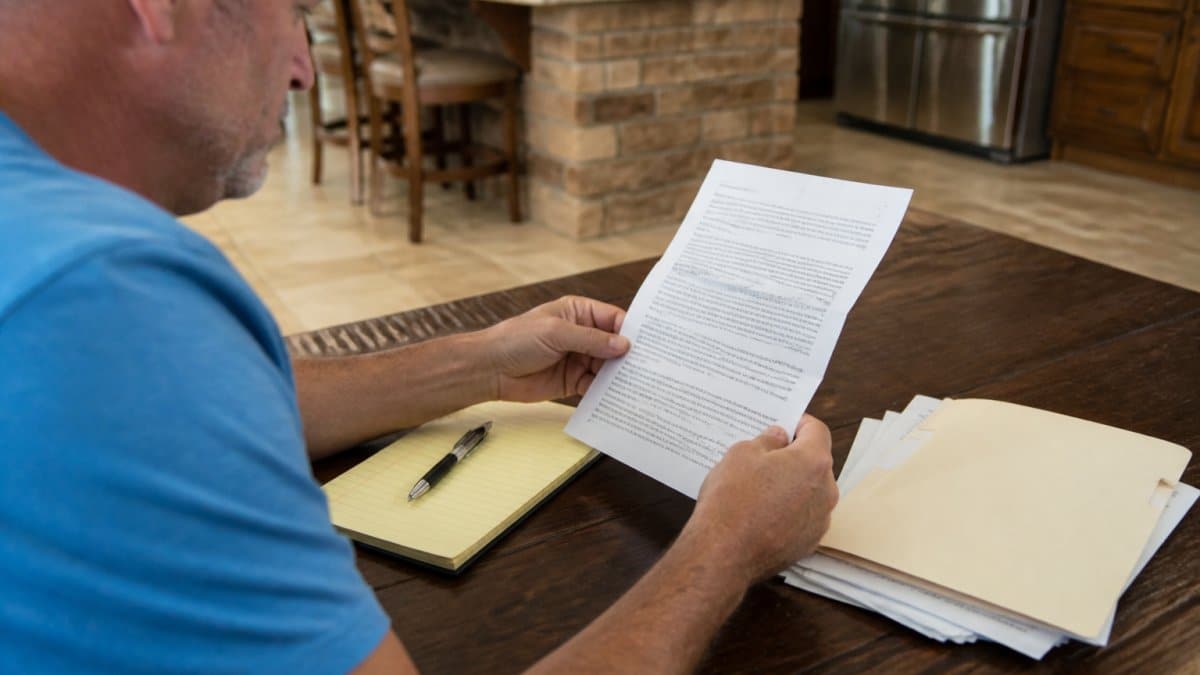
Before you draft anything, separate the letter into three buckets: what the insurer is asking you to do, what it is reserving the right to argue later, and what it is not saying at all.
The deadlines that actually matter
A reservation of rights letter usually does not create a single deadline. It restates duties that already exist in your policy. Most homeowners and commercial general liability policies require prompt notice of the claim, continued cooperation, and submission of requested documents within a reasonable time. Practitioners commonly treat a 10 to 30 day window as the practical response period when the letter requests documents, but the controlling date is whatever the policy and the letter say.
What a written response should contain
A useful response is short, factual, and tied to the letter’s own numbering. A common pattern is:
- Acknowledge receipt and identify the claim number and date of loss exactly as the letter does.
- Address each reserved issue by name. If the letter cites a mold exclusion, say what evidence shows the loss was not mold. If it cites late notice, state the date you first learned of the damage and the date you reported it.
- Correct factual errors. If the letter misstates the date of loss, the cause, or the insured entity, say so plainly and attach the document that proves it.
- Confirm cooperation and list what you are enclosing.
- Ask the insurer to state its coverage position in writing and to identify any additional information it needs.
- Reserve your own rights. State that you are responding without waiving any rights under the policy or applicable law.
Documents to gather before you respond
- The complete policy, including the declarations page and every endorsement
- The first notice of loss and any claim correspondence
- Photographs and video with dates
- Contractor estimates, invoices, and reports
Send your written response by a method that proves delivery, and keep the receipt. In practice, a clear dated record of your response is one of the strongest tools you have if the carrier later claims you failed to cooperate.
What not to do
Do not sign a release, a proof of loss, or a settlement agreement before you understand the coverage question the letter raises. Do not let a phone call substitute for a written response. Do not agree to a recorded statement about contested facts without first reviewing the policy language the insurer cited. And do not assume that because the insurer is defending you, it has accepted coverage.
If the insurer does not respond
If you send a written response and hear nothing, send a short follow-up that restates your position and asks for the coverage determination in writing. Keep the follow-up in the same thread. A documented pattern of unanswered requests is useful later if the insurer argues that you failed to cooperate or that it was waiting on you.
Schedule your FREE Claim Consultation today →
Reservation of Rights Letter Example: Annotated Clause by Clause
A typical letter follows a predictable structure. Here is what each clause does, in plain terms.
- The opening paragraph identifies the claim, the policy, and the insured. Check that every detail is correct.
- The reservation language states that the insurer “reserves its rights” and defends under a reservation. This is the core of the letter.
- The coverage issues section lists the specific exclusions or concerns the carrier sees. This is your to-do list.
- The defense statement confirms the carrier will accept the defense while it investigates.
If a clause is vague or cites an exclusion that does not fit your loss, that is worth challenging in writing. An inaccurate reservation weakens the carrier’s later position.
Reservation of Rights Letter Template: What a Proper One Includes
A proper letter includes six elements. Use this checklist to test whether the one you received is complete.
| Element | What It Should Say | Why It Matters |
|---|---|---|
| Claim identification | Policy number, claim number, date of loss | Confirms the right claim |
| Reservation language | Insurer reserves its rights | Preserves the carrier’s options |
| Specific coverage issues | Named exclusions or concerns | Tells you what to address |
| Defense statement | Carrier accepts the defense | Confirms your defense continues |
| Cooperation reminder | Your duties under the policy | Sets your obligations |
| Response request | Documents or position requested | Starts your response clock |
If the letter skips the specific coverage issues, you cannot respond to them. Ask the carrier to state its concerns in writing. A blanket reservation with no detail is hard to challenge and hard to answer.
When to Bring In Professional Help
Bring in help when the letter names issues you cannot answer alone, when the claim is large, or when the carrier’s position looks like a step toward denial. A coverage dispute is a legal and technical fight, and the paperwork matters.
The conflict-of-interest question competitors skip
A reservation of rights letter can create a conflict of interest between you and the insurer. The insurer is paying for your defense, but it has also reserved the right to argue later that it owes you nothing.
Most states address this through rules on independent counsel, sometimes called Cumis counsel after the California case that gave the doctrine its common name.
How to evaluate whether independent counsel may be available
Ask these questions when you review the letter:
- Does the letter reserve a right to deny coverage for the same claim the insurer is defending?
- Does the reserved issue turn on facts the defense lawyer will develop?
- Is the amount at stake large enough that the coverage question and the liability question could point in different directions?
- Does the policy have a provision addressing independent counsel or conflict of interest?
If the answer to the first two is yes, it is worth a consultation with a coverage attorney before the defense gets far along.
How to request independent counsel
A common pattern is a written request to the insurer that identifies the conflict, cites the policy provision or state rule that applies, and asks the insurer to confirm whether it will pay for independent counsel. Send it in writing, keep a copy, and continue cooperating with the defense in the meantime. Do not retain independent counsel and assume reimbursement without confirming the insurer’s position in writing.
Who pays, and what to expect
When independent counsel is available, the insurer typically pays reasonable fees at rates consistent with the local market, and the insured selects the lawyer subject to the insurer’s right to object to unreasonable fees. Disputes over rates are common. Keep contemporaneous billing records and a clear engagement letter.
Where a public adjuster fits, and where it does not
A licensed public insurance adjuster can document the loss, prepare the claim, and negotiate the damage valuation with the carrier. A public adjuster is not a lawyer and cannot give legal advice on coverage or represent you in a coverage dispute. We review the policy, the letter, and the claim file together, document the loss, answer the carrier’s coverage concerns on the factual side, and negotiate on your behalf.
A reservation of rights letter is not the end of your claim. It is a signal that coverage is being tested. The insured who responds in writing, documents everything, and gets the right kind of expert help early keeps the most options open.
Frequently Asked Questions
Does a reservation of rights letter mean my claim is covered?
No. A reservation of rights letter is not an approval of your claim. It means the insurer will continue its coverage investigation while keeping the option to deny coverage later. The letter typically lists policy provisions and exclusions the insurer is still reviewing. Your claim remains open, and the insurer still owes you a defense or a timely coverage determination under state law. Treat the letter as a signal that the coverage decision is unresolved, not as a green light to start repairs or assume payment.
Can an insurance company deny my claim after sending a reservation of rights letter?
Yes. That is the entire point of the letter. By reserving its rights, the insurer preserves the ability to deny coverage later if its coverage investigation finds that a policy exclusion or limitation applies. What the letter prevents is the insurer being deemed to have waived a coverage defense by defending you without objection. If a denial follows, the insurer must still explain its coverage position in writing. Review that denial carefully and compare it against the policy language cited in the original letter.
How should I respond to a reservation of rights letter?
Reply in writing within the deadline stated in the letter, and keep a copy of everything. Confirm your receipt, ask the insurer to identify the specific policy provisions under review, and provide the documentation it requests. Do not admit fault, speculate about the cause of damage, or sign a release. If the letter raises a conflict of interest or the claim involves a serious coverage dispute, ask whether independent counsel is available under your policy. A licensed public adjuster or attorney can review the letter and help you respond.
Should I hire an attorney after receiving a reservation of rights letter?
It depends on the stakes and the coverage issues raised. If the letter flags a possible exclusion, a policy limits problem, or a conflict of interest, an attorney can protect your position and evaluate whether independent counsel applies. For property damage claims where the dispute is about scope or cause of loss, a licensed public adjuster often handles the documentation and negotiation without the cost of litigation. Either way, get a professional review before you respond in writing or accept any settlement.
A reservation of rights letter can feel like a denial in disguise. It is not, but it does demand a response. If you received one and are not sure what it means for your claim, do not wait. Barclays Public Adjusters offers a free claim consultation, expert policy review, and direct negotiation with your insurance company. Schedule your free claim consultation today and let our team protect your rights.