

Water leaks can cause more than wet floors, stained ceilings, or damaged walls. When moisture remains hidden for too long, it can create the perfect environment for mold to grow. What starts as a small plumbing problem can quickly become a serious property damage issue. For homeowners in Fort Lauderdale, dealing with water damage and mold can be stressful. Many property owners are unsure whether their insurance policy will pay for mold cleanup, repairs, or related damage. Understanding how coverage works can help you take the right steps before a problem becomes more expensive. A Mold Damage Insurance Claim may be an option when mold develops because of a covered water-related event. However, insurance coverage depends on the cause of the water damage, the policy language, exclusions, and the circumstances surrounding the loss.
How Water Leaks Can Lead to Mold Damage
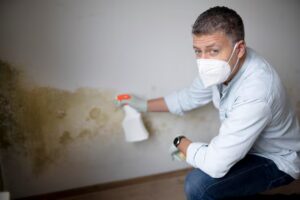
Mold needs moisture, oxygen, and a suitable surface to grow. A leaking pipe, damaged roof, overflowing appliance, or other water intrusion can provide the moisture mold needs.
Some leaks are obvious. Others happen behind walls, under flooring, or above ceilings where they may go unnoticed for days or weeks.
Common sources of water damage include:
-
- Burst or leaking pipes
- Plumbing failures
- Air-conditioning leaks
- Water heater failures
- Appliance leaks
- Storm-related water intrusion
- Overflowing sinks, toilets, or tubs
When water is not properly dried, mold may begin developing. In some cases, property owners may discover mold only after noticing a musty smell, discoloration, peeling materials, or recurring moisture.
Does Homeowners Insurance Cover Mold?
Whether a home insurance mold damage claim is covered depends largely on why the mold developed. Many insurance policies provide some coverage for mold when it results from a covered loss. For example, if a sudden and accidental plumbing failure causes water damage and mold follows, the policy may provide coverage for certain resulting losses, subject to policy limits and exclusions.
However, insurance may not cover mold resulting from long-term maintenance problems, repeated moisture, neglect, or an excluded cause of loss. This is why simply finding mold does not automatically mean that an insurer will pay for every related expense.
The key question is often: What caused the mold, and was that original cause covered by the policy?
Understanding a Water Damage and Mold Insurance Claim
A water damage and mold insurance claim can involve several different types of property damage. Depending on the circumstances and policy provisions, the claim may involve damage to walls, ceilings, floors, cabinets, furniture, personal property, and other parts of the home.
Mold can also create additional expenses for inspection, testing, removal, drying, repairs, and replacement of damaged materials. Documentation is important because the insurance company will generally need information showing what happened and what property was affected.
Photographs and videos can help demonstrate:
- Where the water entered the property
- How extensive the damage was
- When the damage was discovered
- Visible mold growth
- Damaged building materials
- Damaged personal property
- Emergency cleanup or repair work
Keep invoices, estimates, inspection reports, receipts, and other records related to the loss.
Filing a Mold Insurance Claim in Fort Lauderdale
When mold appears after a water leak, acting quickly is important. Delaying action can allow moisture and mold damage to spread. Filing a mold insurance claim generally begins with reviewing your policy and reporting the loss to your insurance company according to the policy’s requirements.
How to File a Mold Insurance Claim
The exact process can vary, but property owners generally should consider the following steps:
- Stop the Source of Water: Take reasonable steps to prevent additional damage. For example, a leaking pipe may need immediate attention from a qualified professional.
- Document the Damage: Take clear photographs and videos before removing damaged materials whenever it is safe to do so. Document affected rooms, surfaces, belongings, and visible mold.
- Report the Loss: Notify your insurance company as soon as reasonably possible and follow the policy’s reporting requirements.
- Keep Your Records: Save estimates, receipts, invoices, repair records, inspection results, and communications with your insurance company.
- Understand Your Coverage: Review the policy carefully to determine applicable coverage, limits, deductibles, exclusions, and requirements.
- Evaluate the Insurance Company’s Offer: An insurer may send an insurance adjuster mold claim assessment or request additional documentation. Review the findings carefully before accepting a settlement.
Because mold claims can involve multiple layers of property damage, having a professional review the claim can help you understand whether the insurer’s assessment reflects the full scope of the loss.
What Happens When a Mold Claim Is Denied?
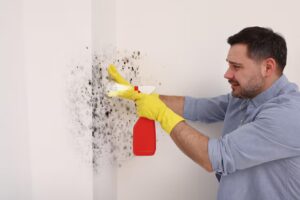
A mold claim denial can be frustrating, especially when you believe the mold resulted from a covered water event. A denied mold insurance claim does not necessarily mean the matter is over. Insurance companies may deny claims for different reasons, including alleged policy exclusions, questions about the source of the water, late reporting, lack of documentation, or claims that the damage resulted from long-term moisture or maintenance issues.
If your mold damage claim is denied, carefully review the denial letter and the policy language. The reason given for the denial matters. In some situations, additional evidence can help clarify the cause and extent of the damage. A professional claim review may also identify issues that were overlooked during the initial adjustment.
How a Public Adjuster Can Help With a Mold Claim
Property owners do not always realize how complex an insurance claim can become. Mold damage may involve structural repairs, contents damage, water extraction, remediation, and additional related expenses.
A mold claim lawyer, mold insurance claim lawyer, or attorney for mold insurance claim can provide legal advice regarding insurance disputes and policy interpretation. A public adjuster, on the other hand, focuses on helping policyholders document, value, and present their insurance claims.
For property owners considering a property damage mold insurance claim, working with an experienced public adjuster can provide assistance throughout the claims process.
At Barclays Public Adjusters, we help property owners in Fort Lauderdale understand their property damage claims and prepare documentation that supports the full scope of their loss.
Residential and Commercial Mold Insurance Claims
Mold does not only affect houses. Businesses can also experience serious moisture and mold problems. A residential mold insurance claim may involve damage to bedrooms, kitchens, bathrooms, flooring, walls, ceilings, furniture, and personal belongings. A commercial mold insurance claim may involve offices, retail spaces, rental properties, warehouses, equipment, inventory, and business-related losses.
Commercial claims can become particularly complicated because the property may need to be repaired while the business is still operating. Depending on the policy and circumstances, there may also be questions involving business interruption or other coverage.
What About Hidden Mold Insurance Coverage?
Hidden mold can be particularly difficult to identify. Mold may grow behind drywall, beneath flooring, inside cabinets, around HVAC systems, or in other areas that are not immediately visible.
Hidden mold insurance coverage depends on the policy and the cause of the underlying water damage. A property owner should not assume that hidden mold is automatically covered or automatically excluded.
When hidden damage is suspected, professional inspection and proper documentation can help establish the extent of the problem.
Why You Should Act Quickly After Water Damage
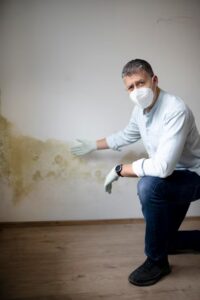
Mold-related problems can become more difficult when water damage is allowed to continue. After a leak, property owners should take reasonable steps to address the source of the moisture and prevent additional damage. At the same time, avoid making unnecessary permanent repairs before the damage has been properly documented.
The goal is to preserve evidence while protecting the property from further harm. For Fort Lauderdale property owners, professional help can be especially valuable when a water loss develops into a larger mold-related insurance claim.
Get Help With Your Mold Damage Insurance Claim in Fort Lauderdale
Mold after a water leak can leave property owners facing difficult decisions about cleanup, repairs, insurance coverage, and documentation. The cause of the water damage, the timing of the loss, and the specific policy language can all affect the outcome of a claim.
Whether you are filing a mold insurance claim, dealing with a homeowners insurance mold claim, or responding to a denied mold insurance claim, it is important to understand the scope of your property damage and the coverage available under your policy.
Barclays Public Adjusters helps property owners in Fort Lauderdale navigate the insurance claim process and document property damage. A careful assessment can help ensure that important areas of damage are not overlooked when presenting a claim.
When mold develops after water damage, do not ignore the problem. Document the damage, address the source of moisture, preserve your records, and understand your insurance coverage before moving forward.
Frequently Asked Questions
Does homeowners insurance cover mold caused by a water leak?
It can, depending on the cause of the leak and the terms of the policy. Mold resulting from a covered, sudden water event may have coverage, while mold associated with excluded causes, long-term moisture, or maintenance issues may not be covered.
How do I file a mold insurance claim?
Start by addressing the source of the water, documenting the damage, notifying your insurance company according to your policy requirements, and keeping all related records. A public adjuster can also help with documenting and presenting the claim.
What should I do if my mold damage claim is denied?
Review the denial letter and your insurance policy carefully. Determine why the insurer denied the claim and gather documentation that may support your position. Professional assistance may be useful when challenging or reevaluating a disputed claim.
Is hidden mold covered by insurance?
Hidden mold coverage depends on the policy and the cause of the mold. If the hidden mold is connected to a covered event, there may be applicable coverage, but exclusions and policy limits can affect the claim.
Can a public adjuster help with a mold insurance claim?
Yes. A public adjuster can help a policyholder document property damage, prepare claim information, evaluate losses, and communicate with the insurance company during the adjustment process. Legal questions or litigation are matters for an attorney.