

Table of Contents
- Why Insurers Deny Mold Claims and How to Fight Back
- Your First Steps After a Denial: The Claim Filing Checklist
- Proving Mold Damage Was Sudden and Accidental
- How to Write an Insurance Appeal Letter for Mold
- Gathering Evidence: Independent Assessments and Contractor Reports
- Hiring a Public Adjuster for Mold Damage Claims
- When to Escalate: Bad Faith, Appraisal, and Legal Action
- Frequently Asked Questions
Last Updated: September 18, 2026
Why Insurers Deny Mold Claims and How to Fight Back
A denied mold claim is not the end of the road. Most denials come down to how the loss is classified, not whether damage exists. Insurers lean on policy exclusions, especially maintenance neglect, to avoid paying. At Barclays Public Adjusters, we see this pattern constantly. Most homeowners get it wrong by accepting the denial letter as final. It isn’t.
- The insurer calls it “long-term moisture” instead of a sudden event
- The policy excludes mold unless it stems from a covered peril
- Documentation is thin, so the adjuster fills the gaps with assumptions
- The claim missed the proof of loss deadline
The biggest mistake is waiting. Many policies and state rules set a statute of limitations on claims, often one to several years from the date of loss. Miss it and your appeal options shrink to almost nothing.
Your First Steps After a Denial: The Claim Filing Checklist
After a denial, read the letter line by line. The insurer must state its reason, that reason is your roadmap.
Follow this checklist before you do anything else:
- Save the denial letter and note the date you received it
- Pull your full policy and find the mold and water damage sections
- Photograph all visible mold and water staining
- Write down the date you first noticed the damage
- Collect receipts, contractor notes, and any repair estimates
- Request a copy of the adjuster’s report
- Log every call with the insurer, including names and times
Proving Mold Damage Was Sudden and Accidental
Proving mold damage was sudden and accidental is the core of most successful appeals. The insurer wants to call it maintenance neglect. You need to show a specific event caused it.
Here is how to build that proof:
- Get the date of the triggering event in writing
- Show the gap between the event and the mold is short
- Use photos that show water intrusion, not just mold
- Keep any plumber or roofer invoices with dates
- Note weather reports or storm records for the loss date
Insider tip: moisture meters and thermal cameras can show where water traveled behind walls. A contractor report with those readings is far harder for an adjuster to dismiss than photos alone.
How to Write an Insurance Appeal Letter for Mold
An insurance appeal letter for mold should be short, factual, and tied to your policy language. One page is often enough, emotion does not win appeals; evidence does. What separates a letter that gets reopened from one that gets forgotten is the follow-up cadence behind it.
The three-level appeal sequence
Most denials move through three levels before anyone sues:
- Internal appeal to the claims department or the adjuster’s supervisor. This is your first written objection and it starts the clock on the insurer’s response.
- State insurance department complaint. Every state has a consumer services division that accepts complaints against licensed insurers. The insurer must respond to the regulator in writing, which often produces a second, more careful review.
- Appraisal or legal action. If the dispute is only about the dollar amount, appraisal is usually faster. If it is about coverage, you need a court.
Send the internal appeal first. Give the insurer a reasonable window to respond in writing, then escalate to the state regulator if the answer is silence or a restated denial.
Fill-in-the-blank appeal letter template
[Your Name]
[Street Address, City, State, ZIP]
[Phone] | [Email][Date]
Claims Department
[Insurer Name]
[Insurer Address]Re: Formal Appeal of Denied Mold Claim
Insured: [Your Name]
Policy Number: [Policy #]
Claim Number: [Claim #]
Date of Loss: [Date]
Denial Letter Date: [Date]To the Claims Department:
I am formally appealing the denial of my mold damage claim dated [denial date].
How to send it so it counts
- Certified mail, return receipt requested. This is the only delivery method that gives you a signed proof of receipt. Keep the green card.
- Email a copy the same day. Send it to the adjuster, the supervisor, and the general claims inbox. Save the sent message.
- Fax if the insurer still uses one. Some carriers timestamp faxes differently than mail, which can matter for deadlines.
- Log the date sent, the tracking number, and the name of anyone you spoke to.
What to do when the appeal is denied again
A second denial is not a dead end. It usually means the insurer is holding its coverage position, shifting the fight from “did you document this” to “does the policy cover this.” Then:
- File a complaint with your state’s department of insurance. The National Association of Insurance Commissioners consumer resources links to every state’s complaint portal and explains what the regulator can and cannot do.
- Demand appraisal if the only remaining dispute is the amount.
- Consult a policyholder attorney if the insurer is misreading its own policy language.
Quote the denial letter word for word in your appeal. If the adjuster wrote “long-term seepage” but your plumber’s invoice shows a burst pipe on a specific date, that contradiction is the strongest sentence in your letter.
Gathering Evidence: Independent Assessments and Contractor Reports
Independent assessments and contractor reports are the backbone of a strong appeal. An insurance adjuster works for the insurer. An independent expert works for you.
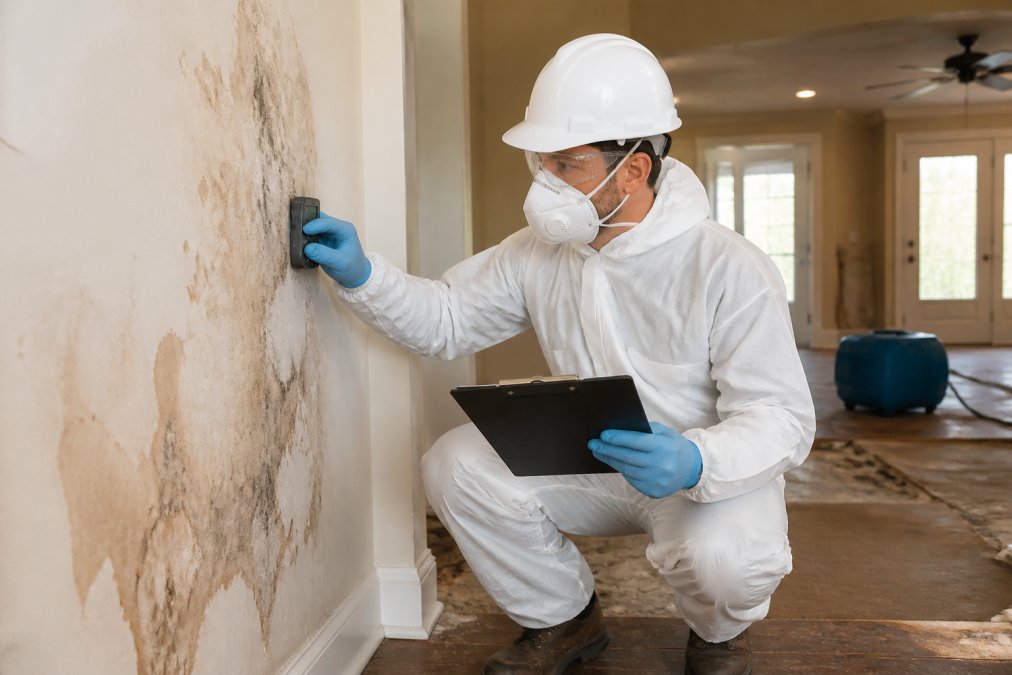
- The cause and origin of the moisture
- The scope of mold growth and affected materials
- Moisture readings and photos
- An estimate of remediation costs
Hiring a Public Adjuster for Mold Damage Claims
Hiring a public adjuster for mold damage claims gives you a professional advocate who understands policy language and claim valuation. A public adjuster works for you, not the insurer.
- The denial reason is vague or contradicts your policy
- The remediation estimate is large
- You have already been denied once
- The insurer is slow to respond or keeps changing its story
When to Escalate: Bad Faith, Appraisal, and Legal Action
Escalation is the right move when negotiation stalls. Three paths exist, each fitting a different situation, and the answer usually turns on whether the dispute is about value or about coverage.
| Path | Best For | What It Does | Typical Timeline |
|---|---|---|---|
| Appraisal | Disputes over the value of damage | Brings in neutral appraisers to set the amount | Weeks to a few months |
| Bad faith claim | Insurer ignored rules or acted unfairly | Can lead to penalties against the insurer | Months |
| Legal action | Unresolved coverage disputes | A court decides the outcome | Months to years |
Appraisal: the underused tool in most policies
Most homeowners policies contain an appraisal clause: if you and the insurer disagree on the amount of loss, either side can demand appraisal. Each side picks a competent appraiser, the two pick an umpire, and the panel sets a usually binding number.
The bad-faith threshold: what actually counts
Bad faith is a high bar and widely misunderstood. A low offer or slow response is not automatically bad faith. Bad faith means the insurer breached its duty to handle your claim fairly and in good faith, and the standards come from state law, not how frustrated you feel.
- Denying a claim without a reasonable basis in the policy language or the facts
- Failing to investigate, for example, denying a mold claim without ever sending an adjuster or reviewing your contractor’s report
- Misrepresenting policy provisions to the policyholder
- Failing to respond to a reasonable request for coverage position within the time required by state law
- Refusing to pay a covered claim after liability and damages are reasonably clear
- Offering substantially less than the evidence supports without explanation
Legal action: when it is the only path left
A policyholder attorney is usually the right call when:
- The insurer is denying coverage based on a policy reading you believe is wrong
- The dispute involves a large remediation estimate that exceeds what small claims or appraisal can resolve
- The insurer has ignored a regulator’s inquiry or a written demand
- You suspect bad faith and want to pursue damages beyond the policy limit
Most policyholder attorneys work on contingency or hourly, and many offer a free initial consultation. Bring your policy, the denial letter, your appeal correspondence, and your independent assessment report.
Match the escalation path to the dispute. Value disagreements go to appraisal. A documented pattern of unfair handling goes to a bad-faith claim. Unresolved coverage questions go to court. If you are unsure which applies, get a free consultation before you sign anything.
Frequently Asked Questions
How do I prove mold was caused by a covered peril?
To prove mold resulted from a covered peril like a sudden pipe burst, you need documentation linking the water event to the mold growth. This includes dated photos of the initial water damage, plumber invoices, and an independent assessment confirming the mold originated from that specific incident. A contractor report stating the mold was caused by sudden water intrusion, not long-term moisture, strengthens your claim. This evidence shifts the cause from maintenance neglect to a covered peril.
What is the deadline for appealing a denied insurance claim?
Deadlines vary by policy and state law. Most policies require a written appeal within 30 to 60 days of the denial letter. Check your denial letter for the specific appeal window. Missing this deadline can forfeit your right to challenge the decision, so act quickly and send your appeal via certified mail.
Can I overturn a denial if my policy excludes mold?
Yes, if you can prove the mold resulted from a covered peril. Many policies exclude mold unless it stems from a sudden and accidental water discharge, like a burst pipe. The key is proving the water damage was sudden and accidental, not maintenance neglect. An independent assessment and contractor report can establish the origin. Even with a mold exclusion, you may secure coverage for the underlying water damage and resulting remediation costs.
How much does a public adjuster cost for a mold claim?
Public adjusters typically charge a percentage of the final settlement, depending on the complexity and state regulations. Some firms, like Barclays Public Adjusters, offer a No Recovery, No Fee policy, meaning you pay nothing unless they secure a settlement. This aligns their interests with yours. Pricing varies based on claim size and scope, so request a free consultation for a specific quote.
A denied mold claim is frustrating, but it is rarely final. The homeowners who win are the ones who document carefully, appeal in writing, and bring in expert help early. At Barclays Public Adjusters, we handle the paperwork, the negotiation, and the pressure so you can focus on your home. Our licensed public insurance adjusters offer a free claim consultation and a No Recovery, No Fee policy. Schedule your FREE Claim Consultation today and let us fight for the settlement you deserve.