
Hurricanes can cause serious damage to homes in Fort Lauderdale, and the roof is often one of the first parts of a property to suffer. Strong winds, heavy rain, flying debris, and fallen trees can damage shingles, tiles, flashing, gutters, and other roofing materials. Some problems are easy to see, while others may stay hidden until water enters the home. Knowing when to file a Hurricane Roof Damage Claim can help you protect your property and avoid paying for covered repairs out of pocket. Even damage that looks minor may become more expensive over time.
For homeowners in Fort Lauderdale, understanding the signs of roof damage and the insurance claim process is an important part of protecting their property after a storm.
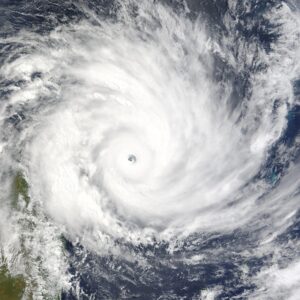
What Is Hurricane Roof Damage?
Hurricane roof damage refers to damage caused by hurricane-related conditions, including high winds, heavy rainfall, flying debris, and other storm events. Depending on the terms of your policy, some types of hurricane-related roof damage may be covered by your homeowners insurance.
Common examples include:
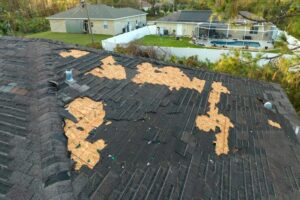
- Missing or damaged shingles
- Broken or cracked roof tiles
- Damaged flashing around vents and chimneys
- Roof punctures caused by debris
- Leaks caused by storm damage
- Damaged gutters and downspouts
- Water intrusion through the roof
- Structural damage caused by falling trees
The key is to identify the damage early and document it properly.
Signs You May Need a Hurricane Roof Damage Claim
After a hurricane, homeowners should inspect their property for visible and hidden signs of damage. You do not need to wait for a major leak before taking action.
1. Missing or Broken Shingles
Strong hurricane winds can loosen, crack, or completely remove shingles. A roof may appear mostly intact from the ground while still having enough damaged areas to allow water inside.
Look for missing shingles, lifted edges, cracks, or areas where roofing materials appear out of place.
2. Cracked or Broken Roof Tiles
Tile roofs are common in South Florida, but they can still be vulnerable during hurricanes. Flying debris or strong winds can crack or break individual tiles.
Even one damaged tile can create an opening for water. If you notice cracked, chipped, or displaced tiles after a storm, consider having the roof inspected.
3. Water Stains on Ceilings or Walls
Water stains are one of the most important signs of roof damage after hurricane conditions.
Brown or yellow stains on ceilings, damp walls, peeling paint, and bubbling drywall may indicate that rainwater entered through the roof. The damage may continue even after the weather clears.
Do not assume that a small stain means a small problem. Water can travel through insulation, drywall, and other parts of the home before becoming visible.
4. Leaks or Dripping Water
If you notice active leaks after a hurricane, take them seriously. Place containers under the affected areas and move furniture or belongings away from the water whenever possible.
A professional inspection can help determine whether the leak is connected to hurricane damage and whether it may be appropriate to pursue a hurricane roof damage insurance claim.
5. Damaged Flashing
Flashing helps seal areas where the roof meets structures such as walls, chimneys, vents, and skylights. Hurricane winds can loosen or damage these areas.
Damaged flashing can allow water to enter the home, even when the main roofing surface appears to be in good condition.
6. Fallen Trees or Flying Debris
Hurricanes can send branches, signs, outdoor furniture, and other objects into roofs. A fallen tree may cause obvious structural damage, while smaller debris may create punctures that are difficult to notice.
Take photographs of the debris and the resulting damage before removing anything, when it is safe to do so.

Why You Should Not Ignore Minor Roof Damage
It can be tempting to overlook a few broken shingles or a small ceiling stain. However, minor storm damage can become a much larger problem.
Water that enters through a damaged roof can contribute to:
- Mold growth
- Damaged insulation
- Rotting wood
- Ceiling damage
- Electrical problems
- Interior property damage
- More extensive roof deterioration
Addressing problems early may reduce the amount of damage to your home and provide better documentation for your insurance claim.
Filing a Hurricane Roof Damage Claim
The filing a hurricane roof damage claim process can feel confusing, especially when you are dealing with storm cleanup and repairs at the same time.
Start by documenting the condition of your property. Take clear photos and videos of the roof, interior water damage, damaged belongings, fallen trees, and debris. Keep receipts for reasonable emergency expenses and temporary repairs.
You should also review your insurance policy to understand the types of damage, deductibles, exclusions, and other conditions that may apply.
Avoid making permanent repairs before the damage has been properly documented and inspected, unless immediate work is necessary to prevent further damage. When emergency repairs are required, keep receipts, photographs, and records of the work performed.
Understanding the Roof Damage Claim Process
The roof damage claim process generally involves several important steps.
First, the homeowner reports the damage to the insurance company. The insurer may then assign an adjuster to inspect the property.
During the inspection, the adjuster may document visible damage and estimate repair costs. It is important to remember that an insurance inspection does not automatically mean every part of your loss will be fully covered.
This is where a public adjuster can be helpful. A public adjuster works on behalf of the policyholder rather than the insurance company. At Barclays Public Adjusters, we help Fort Lauderdale homeowners document their losses, understand their policy, prepare claim information, and pursue a fair evaluation of covered damage.
What If Your Hurricane Roof Claim Is Denied?
A denied hurricane roof damage claim can be frustrating, particularly when you believe your roof was clearly damaged during the storm.
An insurer may question whether the damage was actually caused by the hurricane, argue that the damage existed before the storm, or apply a policy exclusion or deductible.
A roof damage claim denial does not necessarily mean there is nothing more you can do. Review the denial letter carefully and gather evidence that supports your position.
Helpful evidence may include:
- Photos and videos taken after the storm
- Pre-storm photographs of the property
- Roofing inspection reports
- Repair estimates
- Receipts and invoices
- Weather or storm documentation
- Records showing the previous condition of the roof
A public adjuster can review the claim and help identify areas where the damage or supporting documentation may need additional attention.
Hurricane Roof Repair Insurance: What Homeowners Should Know
Many homeowners are surprised to learn that insurance coverage depends on the specific language of their policy. Hurricane roof repair insurance may involve deductibles, coverage limitations, depreciation, exclusions, or other conditions.
For example, damage caused directly by wind may be treated differently from damage caused by another excluded event. The age and condition of the roof may also become relevant when evaluating a claim.
Because every policy is different, homeowners should avoid assuming that a particular repair is automatically covered or excluded.
How Barclays Public Adjusters Can Help in Fort Lauderdale
After a hurricane, dealing with roof damage, contractors, insurance paperwork, and property repairs can quickly become overwhelming.
Barclays Public Adjusters assists Fort Lauderdale property owners with the insurance claim process. Our role is to represent the policyholder and help organize the information needed to present a detailed claim.
This may include documenting roof and interior damage, reviewing available policy information, preparing estimates, communicating claim details, and helping address disagreements concerning the value or scope of the loss.
If your property suffered hurricane damage, getting professional guidance early may help you better understand your options.
Steps to Take After Hurricane Roof Damage
After the storm passes and it is safe to do so, consider these basic steps:
- Inspect the property from a safe location. Look for missing roofing materials, broken tiles, leaks, and visible structural damage.
- Take photographs and videos. Document both exterior and interior damage before cleanup whenever possible.
- Prevent additional damage. Make reasonable temporary repairs when necessary and keep all receipts.
- Notify your insurance company. Report the loss according to your policy requirements.
- Keep all records. Save estimates, invoices, photographs, inspection reports, and correspondence.
- Consider professional claim assistance. A public adjuster can help you understand and organize the claim.
Protect Your Home and Your Hurricane Damage Claim
A damaged roof can put your entire home at risk. The sooner you identify problems and document the loss, the easier it may be to address repairs and support your insurance claim.
Whether you are dealing with a storm damage roof claim, an insurance claim for storm damaged roof, or a larger hurricane property damage claim, careful documentation matters.
Fort Lauderdale homeowners do not have to navigate the process alone. Barclays Public Adjusters can help you understand the claim process and work to ensure the damage to your property is properly documented and presented.
Frequently Asked Questions
How soon should I file a Hurricane Roof Damage Claim?
You should report hurricane-related damage as soon as reasonably possible and follow the reporting requirements in your insurance policy. Early documentation can help preserve evidence and make it easier to establish when and how the damage occurred.
What should I do if I discover roof damage days after a hurricane?
Document the damage with photos and videos, take reasonable steps to prevent additional damage, and notify your insurance company. Hidden leaks and roof damage may not become visible until after the storm has passed.
Can I file a roof insurance claim after hurricane damage if my roof already had some wear?
Possibly. Insurance policies generally distinguish between storm-related damage and normal wear and tear. The important question is whether the hurricane caused covered damage. A professional inspection and strong documentation can help establish the condition and cause of the loss.
What can I do if my hurricane roof damage claim is denied?
Read the denial letter carefully and determine why the insurer denied the claim. Gather photographs, inspection reports, repair estimates, and other evidence related to the storm. A public adjuster may also help review the claim and identify documentation that supports your position.
Why should I work with a public adjuster after hurricane roof damage?
A public adjuster represents the policyholder during the insurance claim process. They can help document damage, organize claim information, prepare estimates, and communicate with the insurer. This can be especially useful when the damage is extensive or there is disagreement about the scope or value of the loss.