Water damage can happen quickly and leave homeowners in Fort Lauderdale facing expensive repairs. A broken pipe, leaking water heater, damaged plumbing line, or severe storm can send water through walls, ceilings, and floors. When this happens, understanding how a Plumbing Leak Insurance Claim works can help you determine what damage may be covered and what steps to take next. However, not all water damage is treated the same way by an insurance policy.
At Barclays Public Adjusters, we help Fort Lauderdale property owners understand the insurance claim process and document covered property damage. This guide explains what homeowners should know about plumbing leaks, flood damage, and insurance coverage.
What Is a Plumbing Leak?
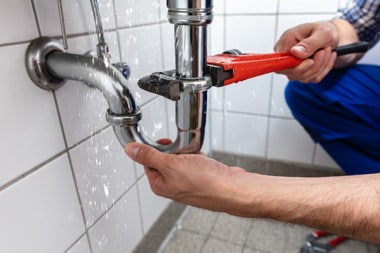
A plumbing leak occurs when water escapes from a home’s plumbing system. The source could be a supply pipe, drain line, water heater, toilet, washing machine connection, or another plumbing component.
For example, a pipe inside a wall may suddenly break and release water into the home. A leaking supply line under a sink could damage cabinets and flooring. A burst water pipe could release a large amount of water within minutes.
In situations like these, homeowners may need to file a Plumbing Leak Insurance Claim to seek compensation for covered damage. The exact coverage depends on the language of the individual homeowners insurance policy, the cause of the leak, and whether the damage was sudden or developed gradually.
What Is Flood Damage?
Flood damage is generally associated with water that comes from outside the home and enters the property.
Examples can include:
- Rising water from heavy rainfall
- Overflowing rivers or canals
- Storm surge
- Coastal flooding
- Water flowing across normally dry land into the property
In many cases, standard homeowners insurance does not cover flood damage. Separate flood insurance may be necessary.
This distinction is particularly important in Fort Lauderdale, where heavy rainfall, tropical weather, drainage issues, and the area’s proximity to waterways can create different types of water-related risks.
Plumbing Leak vs. Flood: Why the Difference Matters
The source of the water can have a major effect on whether a claim is covered.
A sudden plumbing failure may fall under certain types of homeowners insurance coverage, while outside floodwater may require a separate flood insurance policy.
Consider two examples.
Example 1: Plumbing Leak
A supply pipe inside your home unexpectedly bursts. Water spreads through the kitchen and damages the cabinets, flooring, drywall, and personal belongings.
Depending on your policy and the circumstances, you may have grounds for an insurance claim.
Example 2: Flood Damage
Heavy rainfall causes water to accumulate outside the property. The water enters the home from outside and damages the flooring, walls, furniture, and other belongings.
This type of loss may be considered flood damage rather than a plumbing loss and may require flood insurance.
Does Homeowners Insurance Cover Plumbing Leaks?
A common homeowner question is: does homeowners insurance cover plumbing leaks?
The answer depends on the policy and the facts surrounding the damage.
Generally, insurance may provide coverage for certain sudden and accidental plumbing-related damage. However, a policy may contain exclusions or limitations involving maintenance problems, long-term leaks, corrosion, wear and tear, or neglect.
For example, if a pipe suddenly bursts and causes water damage, the resulting damage may potentially be covered depending on the policy.
On the other hand, if a homeowner has known about a slow leak for months and does not repair it, the insurance company may argue that the resulting damage was caused by an ongoing maintenance issue.
This is why reviewing the policy and establishing when and how the damage occurred can be important.
What About Homeowners Insurance Plumbing Leak Claims?
A homeowners insurance plumbing leak claim typically begins with identifying the source of the water and documenting the resulting damage.
After discovering a leak, homeowners should take reasonable steps to prevent additional damage. This may include shutting off the water supply and contacting a qualified plumber.
You should also document the condition of the property before major cleanup or repairs whenever it is safe to do so.
Useful documentation may include:
- Photographs and videos of the damaged areas
- Photos of the plumbing failure
- Plumbing inspection reports
- Repair estimates
- Receipts for emergency services
- Lists of damaged personal property
- Copies of communications with the insurance company
Good documentation can help establish the extent and cause of the loss.
What Is a Water Damage Insurance Claim?
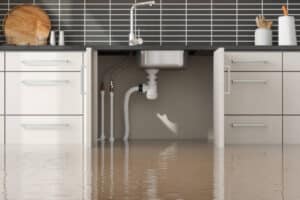
A water damage insurance claim can involve damage caused by a variety of sources, including certain plumbing failures, appliance leaks, and other accidental water releases.
Water can cause more than visible surface damage. It may seep behind walls, underneath flooring, and into insulation or structural materials.
That means homeowners should not assume that a small amount of visible water represents the entire loss. Professional inspections may be necessary to determine the full extent of the damage.
Filing an Insurance Claim for a Plumbing Leak
When filing an insurance claim for plumbing leak damage, homeowners should focus on documenting three important things:
1. The Source of the Water
Identify where the water came from. A plumber or other qualified professional may be able to determine whether the loss resulted from a broken pipe, failed connection, appliance, or another source.
2. The Resulting Property Damage
Document every affected area. This can include walls, ceilings, floors, cabinets, electrical components, insulation, and personal belongings.
3. The Steps You Took to Prevent Further Damage
Insurance policies commonly require homeowners to take reasonable steps to mitigate additional damage. Keep receipts and records of emergency repairs, water extraction, drying, and other necessary services.
Understanding a Burst Pipe Insurance Claim
A burst pipe insurance claim can involve substantial damage because a broken pipe may release a significant amount of water in a short period.
Damage may extend beyond the room where the pipe broke. Water can travel through walls, ceilings, flooring, and other areas of the home.
Homeowners should avoid making assumptions about the value of the claim based only on what they can see. Hidden moisture and secondary damage may become apparent later.
At the same time, homeowners should follow their policy requirements and cooperate appropriately with the insurance company’s investigation.
What Causes Plumbing Leak Claim Denial?
Not every claim is automatically approved. A plumbing leak claim denial may occur for several reasons.
An insurer may argue that:
- The damage resulted from gradual leaking.
- The plumbing system had deterioration or corrosion.
- The homeowner failed to perform reasonable maintenance.
- The loss falls under a policy exclusion.
- The claimed damage was not caused by the covered event.
- The necessary documentation was not provided.
A denial does not necessarily mean that the homeowner has no options. It is important to carefully review the denial letter and the policy language to understand the insurer’s position.
Water Leak Insurance Claim: What Should Homeowners Do?
When dealing with a water leak insurance claim, acting promptly can make the process easier.
First, stop the source of the water when possible and safe. Then document the damage with photographs and videos. Arrange necessary emergency services to limit further damage, and keep records of all related expenses.
Avoid throwing away damaged property before it has been properly documented unless keeping it creates a safety or health hazard.
You should also carefully review communications from the insurance company and keep copies of important claim documents.
How a Public Adjuster Can Help
A plumbing-related insurance claim can become complicated when there is disagreement about the cause, extent, or value of the damage.
A public adjuster works for the policyholder rather than the insurance company. The role can include inspecting damage, organizing documentation, preparing claim information, and helping the homeowner understand the claim evaluation process.
For Fort Lauderdale property owners, professional assistance may be especially valuable when water damage affects multiple rooms or involves substantial repairs.
Barclays Public Adjusters can help homeowners organize the details of a property loss and pursue the benefits available under their insurance policy.
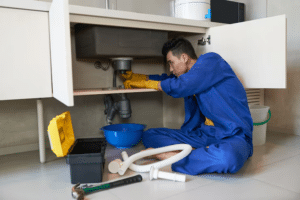
Plumbing Leak and Flood Damage Are Not the Same
The biggest takeaway is simple: the source of the water matters.
A sudden plumbing failure inside the home and water entering from outside may be treated differently under insurance policies. Homeowners should not assume that every type of water damage is covered, or automatically excluded, without reviewing the specific policy and circumstances.
If your property has experienced a plumbing leak, burst pipe, or other significant water loss, documenting the damage early can help protect your interests during the claims process.
Get Help With Your Fort Lauderdale Water Damage Claim
Plumbing leaks and flood damage can look similar after they occur, but insurance companies may treat them very differently. Understanding the source of the water, documenting the damage, and reviewing your policy are important steps in protecting your property and your potential claim.
If you are dealing with a Plumbing Leak Insurance Claim in Fort Lauderdale, Barclays Public Adjusters can help you understand the property damage claim process and organize the documentation needed to present your loss. Professional assistance can be particularly helpful when the damage is extensive, the cause is disputed, or you are having difficulty reaching a fair settlement.
Frequently Asked Questions
Does homeowners insurance cover plumbing leaks?
It can, depending on the policy and cause of the leak. Sudden and accidental plumbing damage may be covered in some circumstances, while gradual leaks, deterioration, and maintenance-related problems may be excluded or limited.
Is flood damage covered by homeowners insurance?
Standard homeowners insurance generally does not provide coverage for flood damage. A separate flood insurance policy may be needed for qualifying flood losses. Always review the specific policy because coverage can vary.
What should I do after discovering a plumbing leak?
Stop the water source when it is safe to do so, take photographs and videos, arrange necessary emergency measures, contact appropriate professionals, and notify your insurance company according to your policy requirements. Keep records and receipts related to the loss.
What should I do if my plumbing leak insurance claim is denied?
Read the denial letter carefully and identify the specific policy provision used by the insurer. Gather supporting documentation, including photographs, plumbing reports, repair estimates, and other evidence. A qualified insurance professional or public adjuster may help you evaluate the claim and determine your next steps.
Can a burst pipe cause enough damage for an insurance claim?
Yes. A burst pipe can release a large amount of water and damage flooring, drywall, cabinets, ceilings, insulation, electrical components, and personal property. Whether the damage is covered depends on the policy and circumstances surrounding the loss.