
Last Updated: October 24, 2026
Quick Summary
Professional claims adjuster services are third-party advocates who document damage, interpret your policy, and negotiate with your insurer on your behalf. Hire a public adjuster when your claim is large, denied, or underpaid, and handle it yourself when the damage is minor and the insurer’s offer already covers your repair quotes.
- A public adjuster works only for you, while the insurer’s adjuster works for the insurer.
- Most public adjusters charge a contingency fee and nothing if the claim pays nothing.
- Verify the adjuster’s license number with your state’s insurance regulator before hiring.
- Pressure to sign on the first visit is a red flag; read the agreement first.
- Expect an inspection within days of hiring and negotiation that can run weeks to months.
Table of Contents
- What Professional Claims Adjuster Services Actually Do for You
- When to Hire a Public Adjuster (and When to Handle It Yourself)
- Public Adjuster Fees and Costs: What You Pay and When
- How to Choose a Public Adjuster Without Getting Burned
- Public Adjuster Contract Questions You Must Ask Before Signing
- What to Expect During the Claims Process: Timeline and Communication
- Schedule Your Free Claim Consultation with Barclays Public Adjusters
- Frequently Asked Questions
What Professional Claims Adjuster Services Actually Do for You
Professional claims adjuster services are third-party advocates who document damage, interpret your policy, and negotiate with your insurer on your behalf. At Barclays Public Adjusters, we handle the burden of that dispute so you can focus on recovery. When you’re weighing hiring professional claims adjuster services after a hurricane, fire, or water loss, the first thing to understand is what the job actually involves.
A public adjuster works only for you. The adjuster your insurer sends works for the insurer. That distinction decides everything about how a claim gets valued.
Here’s what the work looks like in practice:
- Policy review: reading your coverage line by line to find what the insurer’s estimate left out
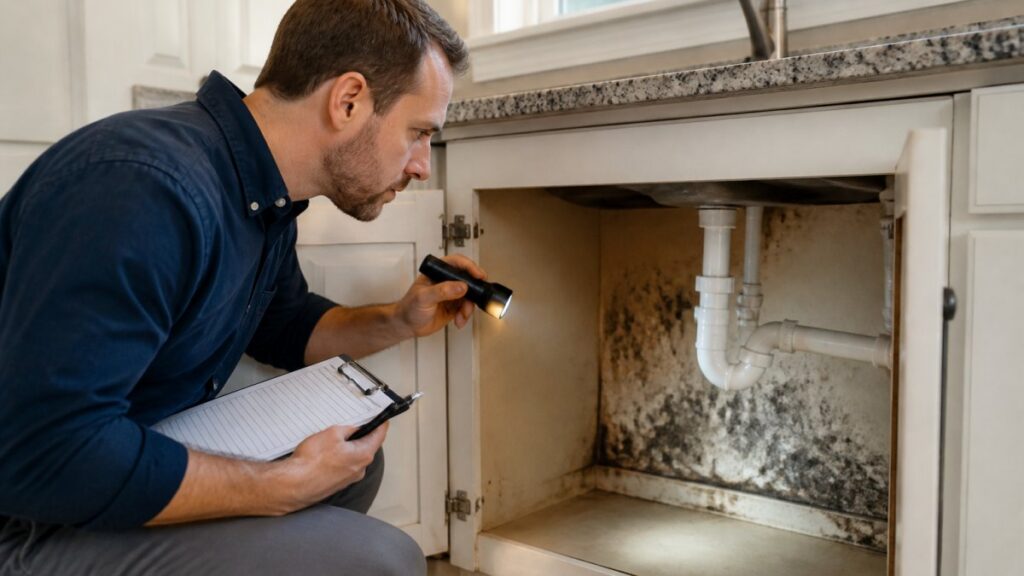
- Damage documentation: photographs, measurements, moisture readings, and itemized inventories
- Scope building: pricing repairs at local rates rather than the insurer’s preferred numbers
- Negotiation: direct back-and-forth with the carrier until the settlement reflects the real loss
What most guides miss is that the documentation phase decides the outcome. A claim is only worth what you can prove.
When to Hire a Public Adjuster (and When to Handle It Yourself)
Hire a public adjuster when your claim is large, denied, or underpaid, and handle it yourself when the damage is minor and the insurer’s offer already covers your repair quotes. That’s the honest dividing line.
United Policyholders, a nonprofit consumer advocacy group, frames the decision as one that warrants evaluation rather than an automatic recommendation, and suggests policyholders ask questions before hiring anyone (United Policyholders guidance on hiring a public adjuster). We agree with that framing.
Watch out: the most common mistake we see is a homeowner accepting a quick settlement on a large loss before getting a second opinion on scope. Once you sign, reopening the claim gets much harder.
For a deeper breakdown of the trade-offs, read our guide on whether hiring a public adjuster is worth it.
Public Adjuster Fees and Costs: What You Pay and When
Most public adjusters charge a contingency fee, meaning they’re paid a percentage of the settlement they recover, and nothing if the claim pays nothing. That structure aligns incentives, but the details matter.
Ask these questions before you sign anything:
- What percentage is the fee, and does it apply to the gross or net settlement?
- Are there separate charges for appraisals, engineers, or documentation?
- Does the fee change if the claim goes to appraisal or litigation?
- Is the fee capped by state rule for this type of claim?
Barclays Public Adjusters operates on a No Recovery, No Fee basis, so you don’t pay out of pocket if we don’t recover. Fee percentages and any statutory caps vary by state and claim type, so confirm the current figures in writing before signing. We won’t quote you a number we can’t stand behind.
How to Choose a Public Adjuster Without Getting Burned
Choosing a public adjuster comes down to licensing, local claim experience, and a contract you fully understand. Verify the license first, then the track record, then the paperwork.
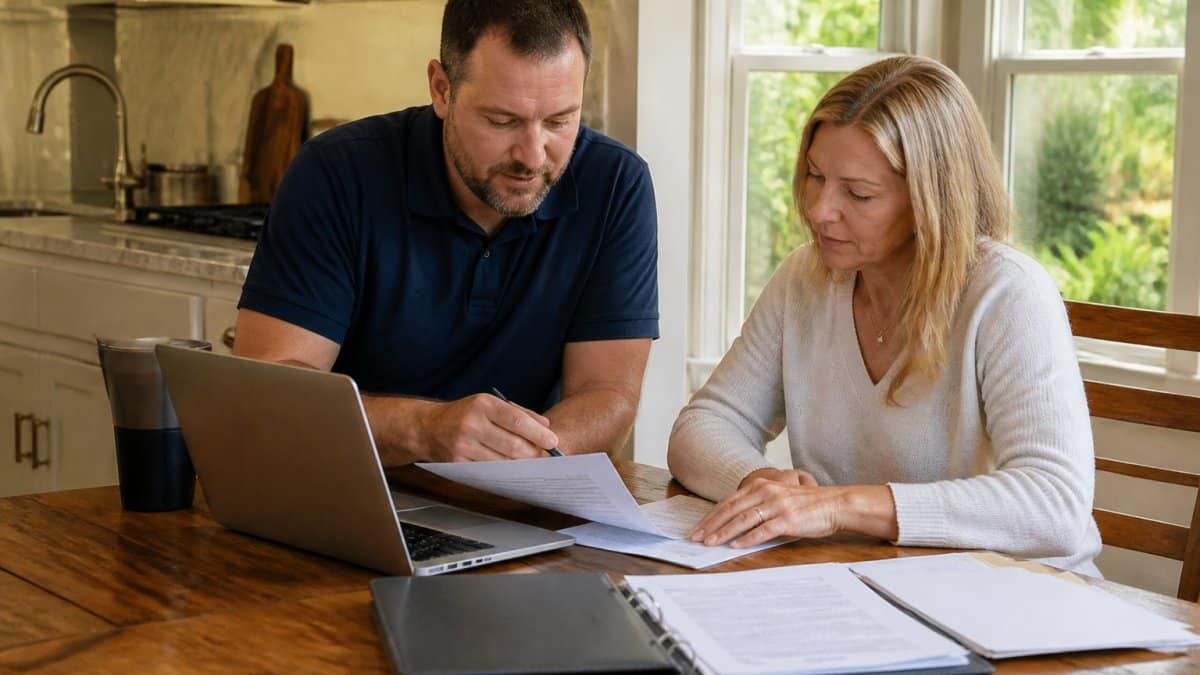
A common mistake is hiring on personality instead of credentials. Ask for the license number and confirm it with your state’s insurance regulator. Then ask how many claims like yours the adjuster has handled in your county.
Schedule your FREE Claim Consultation today →
For local readers comparing options, our guide on how to find a public adjuster in South Florida walks through the vetting steps in detail.
Public Adjuster Contract Questions You Must Ask Before Signing
The contract is where most disputes with your own adjuster begin, so read it before you sign. Get every answer in writing.
Ask specifically:
- Can I cancel, and what’s the cancellation window?
- Who handles communication with the insurer, me or you?
- What happens if I receive a settlement offer directly?
- Are you assigning any part of my claim to a third party?
Watch out: pressure to sign on the first visit is a red flag. A legitimate adjuster will let you read the agreement and ask questions. Our guide on dealing with insurance adjuster tactics explains the pressure moves to watch for, from either side of the table.
What to Expect During the Claims Process: Timeline and Communication
Expect an inspection within days of hiring, a documented estimate shortly after, and negotiation that can run weeks to months depending on claim complexity. Timelines vary widely, and anyone promising a fixed date is guessing.
Here’s the general sequence:
| Phase | What Happens | Typical Timing |
|---|---|---|
| Inspection | Adjuster documents damage on site | Within days of signing |
| Documentation | Photos, measurements, itemized scope built | One to three weeks |
| Filing and negotiation | Claim submitted, carrier responds, back-and-forth begins | Weeks to months |
| Settlement | Offer reviewed, revised, or disputed | Depends on complexity |
Communication should be proactive, not reactive. You should know where your claim stands without chasing anyone. For the full walkthrough, see our step-by-step process after a loss.
Schedule Your Free Claim Consultation with Barclays Public Adjusters
The gap between a denied or lowballed offer and a fair settlement usually comes down to documentation and negotiation pressure. That’s the work we do. Barclays Public Adjusters is headquartered in Boca Raton and handles claims across South Florida, with licensed public insurance adjusters, a No Recovery No Fee policy, and direct negotiation with carriers on your behalf.
If your claim was denied, delayed, or underpaid, don’t accept the first number. Schedule your free claim consultation and get an expert read on your policy and your options.
Frequently Asked Questions
What does a public adjuster do for a property damage claim?
A public adjuster evaluates your policy, documents the damage, prepares the claim, and negotiates directly with your insurance company on your behalf. Unlike an adjuster paid by the insurer, a public adjuster works only for you. That means they build the evidence file, handle back-and-forth communications, and push for a settlement that reflects the full scope of covered damage. Professional claims adjuster services typically cover hurricane, windstorm, water, fire, smoke, mold, and roof leak claims.
How much does a public adjuster charge, and what if nothing is recovered?
Public adjuster fees and costs are usually a percentage of the final settlement, so the exact amount depends on your claim size and the terms in your contract. Many firms, including Barclays Public Adjusters, work on a No Recovery, No Fee basis, meaning you owe no professional fee if the claim recovers nothing. Ask for the fee percentage, how it is calculated, and whether any third-party costs like appraisals or documentation are billed separately before you sign.
Can I hire a public adjuster after my claim has been denied?
Yes. A denial is often the point when hiring professional claims adjuster services makes the most sense. A public adjuster can review the insurer’s stated reason, such as wear and tear, re-inspect the damage, and submit a documented rebuttal or reopen the claim. Success depends on your policy language and the evidence, so ask the adjuster how they handle denials and what they need from you. Get the review in writing before committing.
How do I choose a reputable public adjuster?
Start by confirming the adjuster is licensed in your state, then ask for references from claims similar to yours, such as water damage, mold, or roof claims. Read the contract carefully, including the fee percentage, cancellation rights, and who handles negotiations. Ask directly how they prevent quick, low settlements that only serve the fee. A reputable adjuster welcomes these public adjuster contract questions and puts the answers in writing before you sign.
A denied or underpaid claim rarely fixes itself, and the clock on your policy deadlines keeps running. Barclays Public Adjusters brings licensed adjusters, comprehensive claim documentation, and direct carrier negotiation to your side, all on a No Recovery, No Fee basis. Get started with Barclays Public Adjusters and find out what your claim is actually worth.
