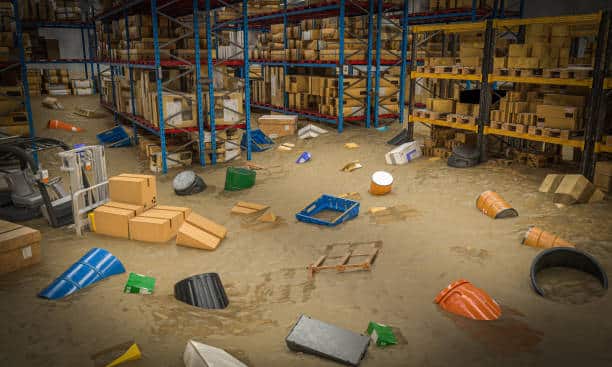
Water damage can happen suddenly and leave your home or business with costly repairs. A broken pipe, leaking roof, overflowing appliance, or hidden plumbing problem can cause serious damage to walls, ceilings, flooring, furniture, and personal belongings. Many property owners expect their insurance company to help pay for the repairs, only to discover that their claim has been denied. A Denied Water Damage Claim can be frustrating and confusing, especially when you believe the damage should be covered by your insurance policy. Understanding why insurers deny these claims can help you take the right steps and protect your interests.
At Barclays Public Adjusters in Fort Lauderdale, we help property owners understand their insurance claims, document losses, and navigate the claims process. While every insurance policy and situation is different, there are several common reasons an insurer may refuse or reduce a water damage claim.
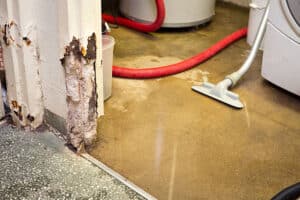
Common Reasons Water Damage Claims Are Denied
Insurance companies review many details before deciding whether to pay a claim. A denial does not always mean the damage is not covered. In some cases, the insurer may believe there is an exclusion, coverage limitation, or documentation problem.
Here are some of the most common reasons for a denied water damage insurance claim.
1. The Insurance Company Says the Damage Was Caused by Poor Maintenance
One of the most common explanations for a water damage claim denied decision is that the insurer believes the damage developed gradually.
For example, an insurer may argue that:
- A leaking pipe was ignored for too long.
- A roof had old or damaged shingles.
- Plumbing problems were not repaired.
- Mold developed because moisture was left untreated.
- The property owner failed to maintain the home.
Insurance policies often distinguish between sudden damage and damage that develops over time. This makes it important to carefully document when the problem started and what caused it.
2. The Policy Excludes the Source of the Water
Another reason an insurance denied water damage claim can occur is because the source of the water may not be covered under the policy. For example, certain policies may treat flooding, groundwater, sewer backup, or other types of water intrusion differently from a sudden plumbing failure.
This is why it is important to review the exact wording of your policy instead of assuming that every type of water damage is automatically covered.
3. The Insurer Believes the Damage Was Pre-Existing
An insurance company may investigate whether the damage existed before the reported incident. If an adjuster believes that water stains, deterioration, mold, or damaged materials were already present, the insurer could use this as a reason to dispute the claim.
Photos, maintenance records, receipts, inspection reports, and other documentation can help establish the condition of the property before the incident.
4. Late Reporting of the Claim
Property owners are generally expected to report damage to their insurance company within a reasonable period specified by the policy. Waiting too long can make it more difficult to determine what happened. Additional damage may also occur during the delay.
For instance, a small leak that could have been contained may eventually cause extensive damage to drywall, flooring, insulation, or cabinets.
If you are wondering, “why was my water damage claim denied?”, check whether the insurer cited late reporting as one of the reasons.
5. Insufficient Evidence
Insurance companies need information to evaluate a claim. When there is limited documentation, an insurer may question the cause, timing, and extent of the damage.
Useful evidence can include:
- Photos and videos of the damaged areas
- Photos showing the source of the water
- Repair estimates
- Invoices and receipts
- Plumbing or roofing reports
- Property maintenance records
- Personal property inventories
- Written communications with contractors and the insurer
Good documentation can be especially important when dealing with a residential water damage claim involving multiple areas of the property.
Specific Types of Water Damage Claims That May Be Disputed
Different causes of water damage can create different coverage questions. Some claims are more likely to lead to disagreements between property owners and insurers.
Roof Leak Water Damage
A roof leak water damage claim denied decision may occur when an insurer argues that the roof failed because of age, deterioration, lack of maintenance, or another excluded condition.
However, the circumstances surrounding the leak matter. A covered storm event or another sudden occurrence may raise different coverage questions than long-term roof deterioration.
Pipe Burst Claims
A pipe burst insurance claim denied situation can be particularly stressful because a burst pipe may release a large amount of water in a short period.
The insurer may examine the cause of the pipe failure, whether proper maintenance was performed, whether freezing or another condition contributed to the incident, and whether the resulting damage is covered.
Mold and Water Damage
A mold and water damage insurance claim can become complicated because mold may be treated differently under an insurance policy depending on how it developed.
For example, the policy may distinguish between mold resulting from a covered water event and mold associated with long-term moisture or neglect. Policy language and the facts surrounding the loss are important.

What to Do When Your Water Damage Claim Is Denied
Receiving a denial letter does not necessarily mean that the matter is finished. Start by carefully reviewing the insurer’s written explanation.
Look for the specific reason given for the denial and identify the policy language the insurance company is relying on.
You may then want to:
Review Your Insurance Policy
Read the sections covering water damage, exclusions, additional coverage, conditions, and duties after a loss. Insurance policies can be difficult to understand, so professional assistance may be useful.
Gather Your Evidence
Collect photographs, videos, estimates, receipts, inspection reports, contractor communications, and records showing the condition of the property.
Ask Questions About the Denial
You have the right to understand why the insurer reached its decision. Request clarification when the explanation is unclear or does not appear to match the facts of the loss.
Consider a Water Damage Claim Appeal
In some situations, a water damage claim appeal may be appropriate. An appeal can involve presenting additional documentation, challenging the insurer’s interpretation of the policy, or providing evidence about the cause and extent of the damage.
A professional public adjuster can assist with the preparation and presentation of an appeal.
How a Public Adjuster Can Help With a Water Damage Claim Dispute
A water damage insurance claim dispute can become complicated when the property owner and insurance company disagree about coverage, causation, or the amount of the loss.
A public adjuster works for the policyholder rather than the insurance company. At Barclays Public Adjusters, our role is to help property owners document their losses and navigate the insurance claims process.
Depending on the circumstances, a public adjuster may help with:
- Inspecting and documenting property damage
- Reviewing the insurance policy
- Preparing detailed damage estimates
- Documenting damaged personal property
- Organizing supporting evidence
- Communicating with the insurance company
- Reviewing the insurer’s estimate
- Preparing claim documentation
- Assisting with disputed claim issues
This can be especially valuable when dealing with a denied homeowners insurance claim or a claim where the insurer has offered significantly less than the amount needed for repairs.
When Should You Seek Professional Help?
If your insurance company denied water damage coverage, do not assume that you have no options. A denial may be based on an interpretation of the policy or on information the insurer believes does not support the claim.
Professional assistance may be particularly helpful when:
- The damage is extensive.
- The insurer has denied the entire claim.
- The insurer has significantly undervalued the loss.
- There is disagreement about the cause of the damage.
- The claim involves multiple types of damage.
- You are having difficulty understanding the insurer’s estimate or denial.
- You are considering an appeal denied water damage claim process.
In some situations, policyholders may also consult an attorney. A water damage claim lawyer, water damage insurance lawyer, or attorney for denied insurance claim can advise a policyholder about legal rights and available remedies. An insurance claim denial attorney may be appropriate when a dispute involves potential legal issues.
Keep in mind that a public adjuster and an attorney have different roles. A public adjuster generally assists with the insurance claim and documentation, while an attorney can provide legal advice and represent a client in legal proceedings where appropriate.
How Barclays Public Adjusters Can Help in Fort Lauderdale
Water damage can interrupt your life, damage your property, and create significant financial stress. Dealing with an insurance company at the same time can make the situation even more difficult.
At Barclays Public Adjusters, we assist property owners in Fort Lauderdale with the insurance claim process. Our focus is helping policyholders properly document their losses and understand the claims process.
Whether you are dealing with a denied property damage claim, a disputed estimate, or uncertainty about your coverage, having organized documentation and a clear understanding of your claim can make a meaningful difference.
If your water damage claim has been denied or undervalued, review the denial carefully and preserve all evidence related to the loss. Avoid making assumptions about your coverage based solely on a verbal conversation. The policy, the facts of the loss, and the supporting documentation all matter.
Final Thoughts
A Denied Water Damage Claim can leave property owners unsure about what to do next. Insurance decisions can involve policy exclusions, questions about the cause of the damage, maintenance issues, documentation problems, or disagreements about the value of the loss.
The best approach is to carefully review the denial, preserve evidence, understand the policy, and seek qualified professional assistance when necessary.
For property owners in Fort Lauderdale, Barclays Public Adjusters can help make the insurance claim process easier to understand and manage. Proper documentation, careful preparation, and timely action can help ensure that your claim receives the attention it deserves.
Frequently Asked Questions
What should I do if my water damage claim is denied?
Start by requesting and reviewing the written denial. Identify the specific policy language and reason the insurer used. Gather photos, repair estimates, reports, and other evidence that may support your claim. A public adjuster can help you review and document the loss.
Can I appeal a denied water damage claim?
In many situations, a policyholder can challenge or appeal an insurance decision. The specific process depends on the policy and circumstances. Review the denial letter and policy requirements carefully, and consider professional assistance when preparing additional evidence.
Why do insurance companies deny water damage claims?
Common reasons include alleged lack of maintenance, gradual damage, policy exclusions, late reporting, pre-existing damage, and insufficient documentation. The actual reason depends on the insurance policy and the facts of the loss.
Can a public adjuster help with a denied water damage claim?
A public adjuster can assist with documenting the property damage, preparing claim information, reviewing estimates, and communicating with the insurance company. Public adjusters represent the policyholder’s interests in the insurance claim process.
Should I hire an attorney for a denied water damage claim?
An attorney may be helpful when a claim involves a legal dispute, significant financial loss, or other legal concerns. A public adjuster can assist with the insurance claim and documentation, while an attorney can provide legal advice and representation when appropriate.